São Tomé and Príncipe strengthens fisheries transparency through updates to Fisheries Information System
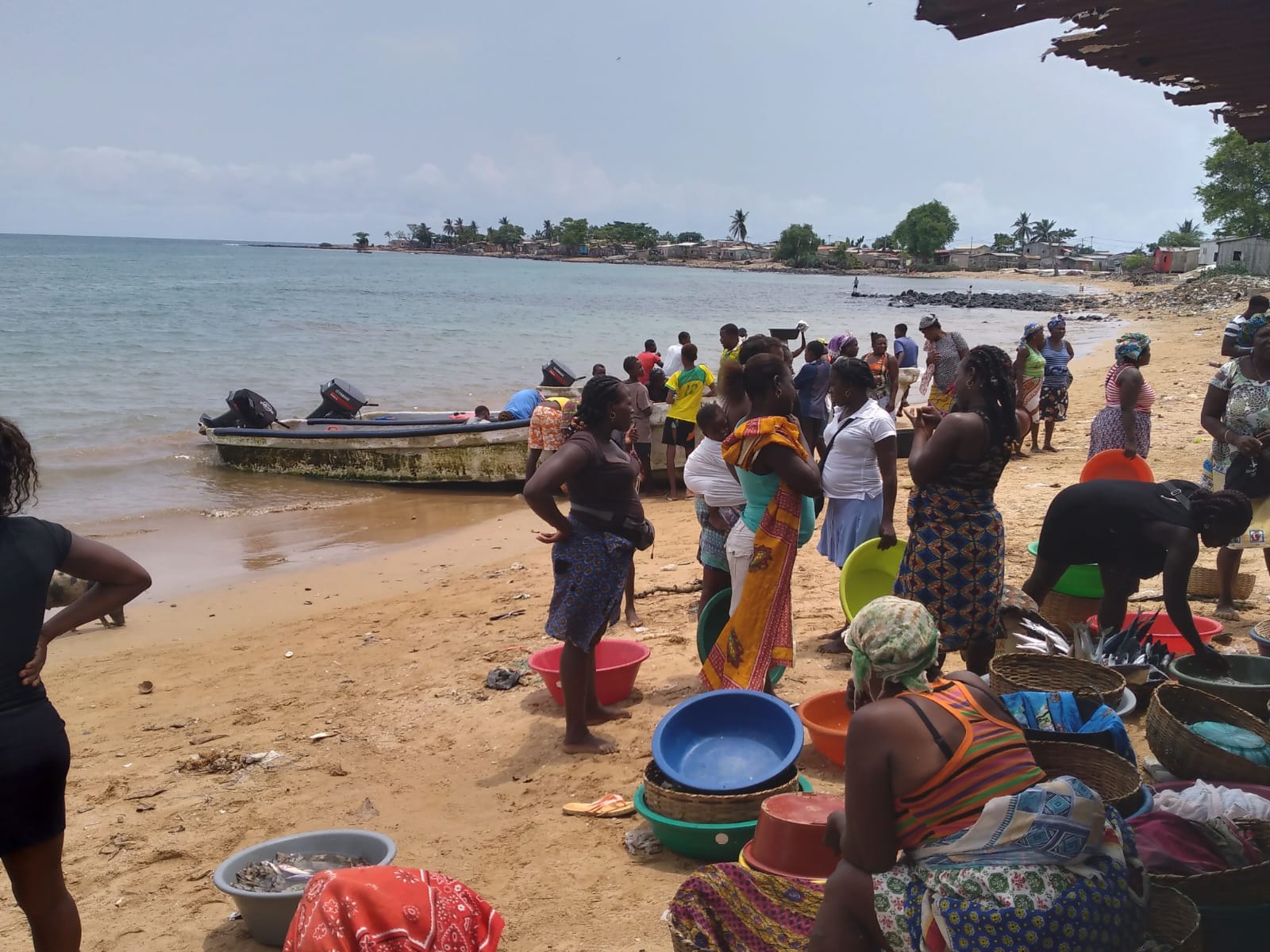
São Tomé and Príncipe continues to strengthen the nation’s fisheries transparency through updates to its Fisheries Information System, and a new capacity-building initiative for the national FIS management team. The new initiative is led by the FiTI International Secretariat in partnership with the Directorate of Fisheries and Aquaculture.
Transparency is an essential element of the sustainable and responsible management of marine resources. In São Tomé and Príncipe, this commitment is gaining new momentum with the update of the Fisheries Information System (FIS), the official platform adopted by the country for the online publication of information on the fisheries sector.
Since January 2026, the FIS has been used as the official platform for making fisheries information available in São Tomé and Príncipe, facilitating access to relevant information on fisheries governance for citizens, civil society organisations, researchers, fisheries professionals and other stakeholders.
More than a digital platform, the FIS is a key tool supporting the implementation of the Fisheries Transparency Initiative (FiTI), promoting the availability of information in a more reliable, accessible, systematic, and up-to-date manner. By making public information easier to find and consult, it also contributes to strengthening transparency, accountability and participation in discussions on the management of fisheries resources.
A new step with the FiTI Standard 2.0
The entry into force of the FiTI Standard 2.0 in January of this year introduced new transparency requirements, incorporating lessons learned from a decade of FiTI implementation, as well as developments in international good practices in fisheries governance and transparency. The new FiTI Standard seeks to strengthen the quality and scope of information made publicly available, while maintaining a balanced approach that avoids creating disproportionate burdens for countries implementing the FiTI.
For São Tomé and Príncipe, this development represents an opportunity to consolidate the progress achieved in improving the completeness of fisheries management information and to continue strengthening the way in which this information is produced, organised and made available to the public.
More complete, accessible and useful information
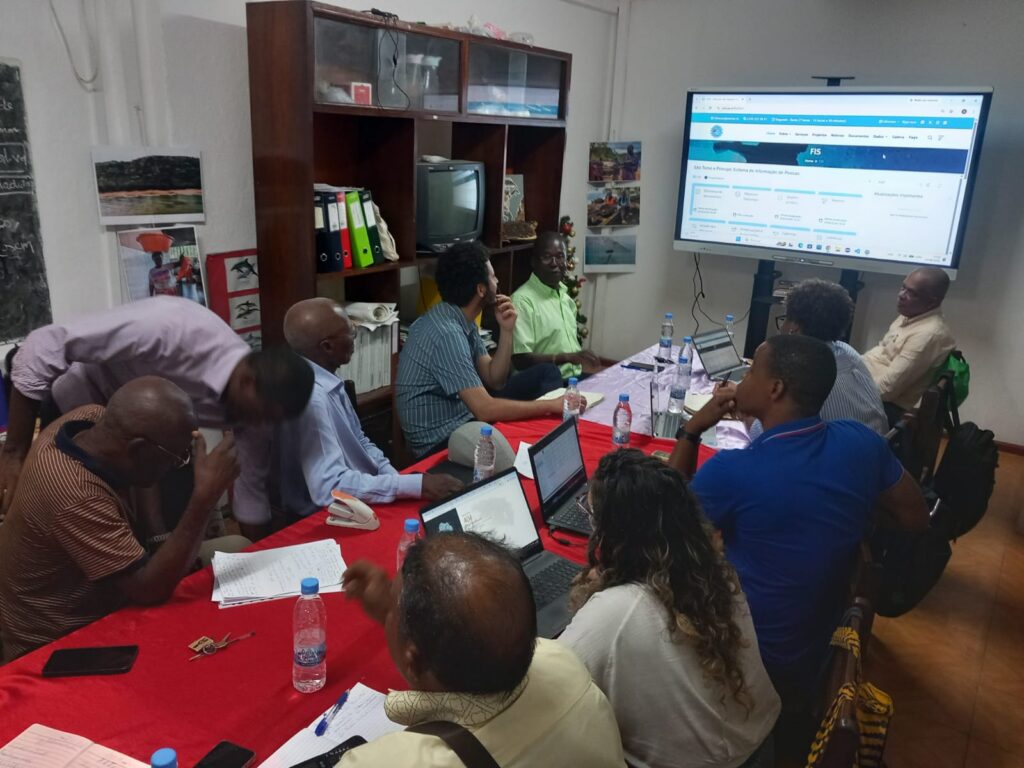
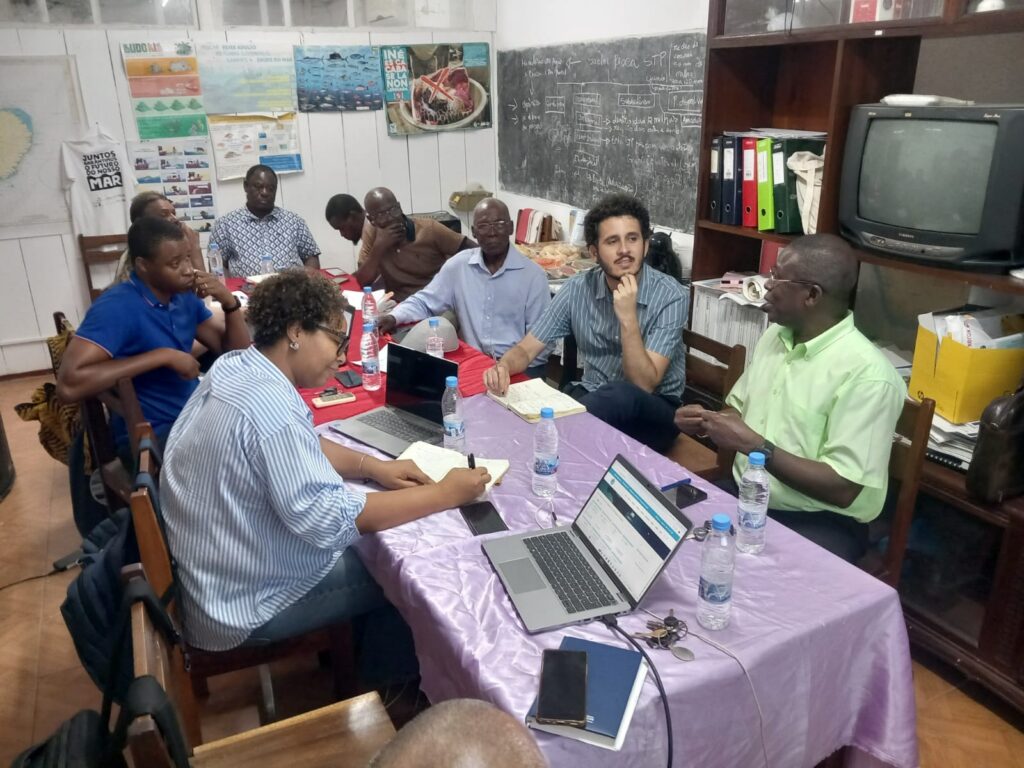
To support these efforts, the FiTI International Secretariat recently met with members of São Tomé and Príncipe’s National Multi-Stakeholder Group (MSG) and the Directorate of Fisheries and Aquaculture to adapt and update the country’s FIS.
The activities focused on the identification, collection, organisation and progressive entry of new information required under the FiTI Standard 2.0. The aim is to ensure that the System continues to meet the requirements of the new Standard and that the information made available to the public remains relevant, understandable and accessible.
This process is therefore more than a technical update of the platform. It is about strengthening a transparency infrastructure that enables different stakeholders to better understand, monitor and participate in discussions on the fisheries sector. In doing so, it can contribute to a better understanding of the status and management of fisheries resources, greater institutional accountability, and more informed dialogue among government, the private sector, civil society organisations, fishing communities, researchers and citizens.
A shared commitment
This capacity-building initiative, and the work with the national team in São Tomé and Príncipe, represent the final stage of a process that began in March of this year, with funding from the FiTI International Secretariat, in close partnership with the Directorate of Fisheries and Aquaculture of São Tomé and Príncipe.
By aligning the FIS with the FiTI Standard 2.0, the fisheries authorities of São Tomé and Príncipe are reaffirming their commitment to more transparent, accountable and participatory fisheries governance.
The objective is simple, but fundamental: to ensure that information on fisheries is increasingly available to those who need it — and that transparency can translate into knowledge, participation and better governance of marine resources.