Madagascar’s 3rd FiTI Report reveals steady progress towards transparency
Madagascar’s third FiTI Report demonstrates the nation’s substantial progress over the past three years, while also offering clear reminders that fisheries transparency is not just about publishing information, but making it meaningful and usable.
Since implementing the Fisheries Transparency Initiative (FiTI), Madagascar has taken critical steps to increase the amount of information on the fisheries sector that is publicly available. Much of this progress has come through the website of the Ministry of Fisheries and Blue Economy (MPEB), which now hosts a growing range of documents and datasets:
- Legal frameworks
- Legal frameworks governing fisheries are becoming increasingly accessible, with 177 out of 224 fisheries-related legal texts now publicly available online. When such information is public, it allows stakeholders, including fishers, businesses, civil society and researchers, to better understand how decisions are made regarding access to marine resources.
- Fisheries management
- Madagascar has now published fisheries management plans for 13 coastal regions. Stock assessment information is also available for several priority species such as coastal shrimp, lobster, mangrove crab, sea cucumbers and octopus, providing a needed scientific basis for management decisions.
- Access to fisheries resources
- Information on access to fisheries resources has become more transparent; all fishing agreements with five foreign entities are publicly available online, including their amendments. In addition, vessel registries have been published for several industrial fisheries, including the tuna fleet, shrimp fleet and other industrial fishing vessels operating in Malagasy waters. These disclosures help clarify who has access to Madagascar’s marine resources.
Yet the report also makes clear that transparency remains a work in progress. Some critical information is still incomplete or unavailable:
- Fisheries tenure systems
- Madagascar has not yet published a consolidated summary of fisheries tenure systems, meaning that information about fishing rights must currently be pieced together from multiple legal texts.
- Additional stock assessments
- Comprehensive stock assessments for many coastal fisheries remain unavailable, with assessments currently covering only some of the regions.
- Socio-economic importance
- Lack of information on the socio-economic importance of the sector presents a gap. The report highlights that, despite the importance of fisheries to coastal communities, no comprehensive government study has examined the social, economic or food security impacts of industrial fishing activities.
- Artisanal fishing
- The report identifies structural challenges in the artisanal fishing sector. According to the latest estimates, only about 11% of the country’s approximately 48,000 pirogues were officially registered in 2023, illustrating the scale of the informal fisheries sector and the difficulty of monitoring fishing activity across Madagascar’s vast coastline.
Madagascar’s progress under the FiTI shows that transparency is not a single milestone, but a gradual process. The country has made meaningful strides in providing information about its fisheries sector. The next step will be to ensure that the published data is complete, reliable and easy to understand, so that it can truly inform public debate and support sustainable management of Madagascar’s rich marine resources.
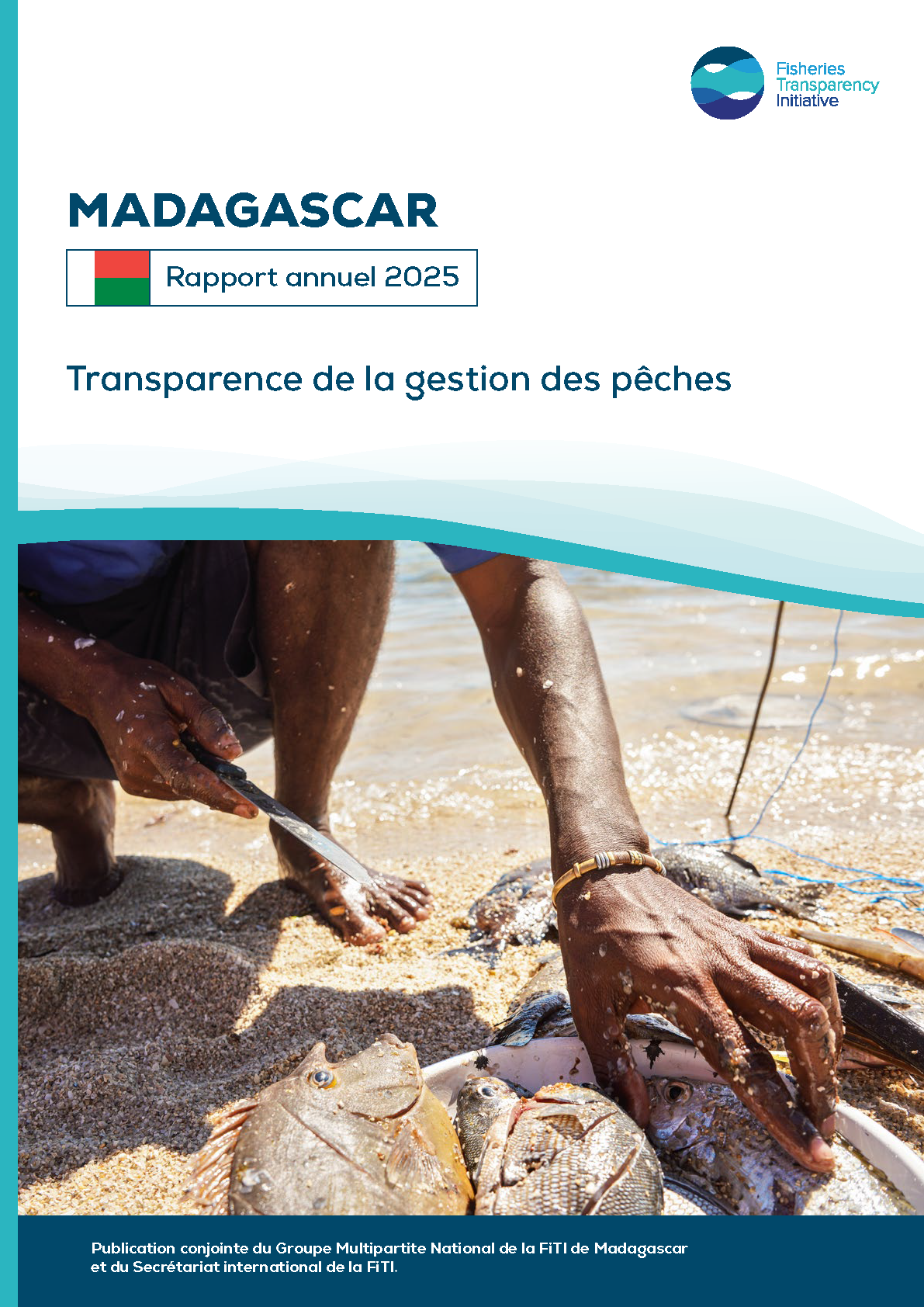
Madagascar’s third FiTI Report is now available here and on the Ministry of Fisheries and the Blue Economy website.