FiTI side event champions data-driven partnerships for implementing WTO Agreement on Fisheries Subsidies
Marine fisheries are vital for global food and nutrition security, Blue Economies, livelihoods, and employment—including supporting low-income fishing communities and women in fisheries supply chains. Yet, fisheries face critical threats: overfishing, climate change, habitat degradation—and harmful subsidies.
A key factor in the widespread depletion of the world’s fish stocks, these subsidies enable fishing fleets to operate longer and farther at sea, to the detriment of marine life. Subsidies are also often a source of inequality and can undermine the economic viability of small-scale fisheries.
Subsidies reforms, including the repurposing of harmful fisheries subsidies, can strengthen effective fisheries management and social protection of fishers, fish workers and people whose livelihoods depend on fisheries.
In September 2025, the WTO Agreement on Fisheries Subsidies (AFS) entered into force, establishing the first broad, binding, multilateral agreement for WTO Members that focuses on curbing harmful fisheries subsidies that contribute to illegal, unreported and unregulated (IUU) fishing, exploitation of overfished stocks, and unregulated fishing on the high seas. The agreement has the potential to support recovery of fish stocks and effective monitoring of fishing and fishing-related practices. It may also aid in implementing conservation measures for the sustainable use of fisheries resources, ensuring sufficient food and income for people who depend on fisheries for their livelihoods.
The AFS provides for the set-up of a new voluntary funding mechanism which aims at supporting LDS and Developing Countries, that are signatories of the AFS, in the implementation of the Agreement (WTO Fish Fund).
To ensure compliance with the provisions of the AFS, countries must effectively strengthen their fisheries management systems and operationalise transparency. For this, data-driven and stakeholder-inclusive partnerships act not only as a catalytic force to accelerate the implementation process of the Agreement but also strengthen the effectiveness and public reputation of national fisheries management.
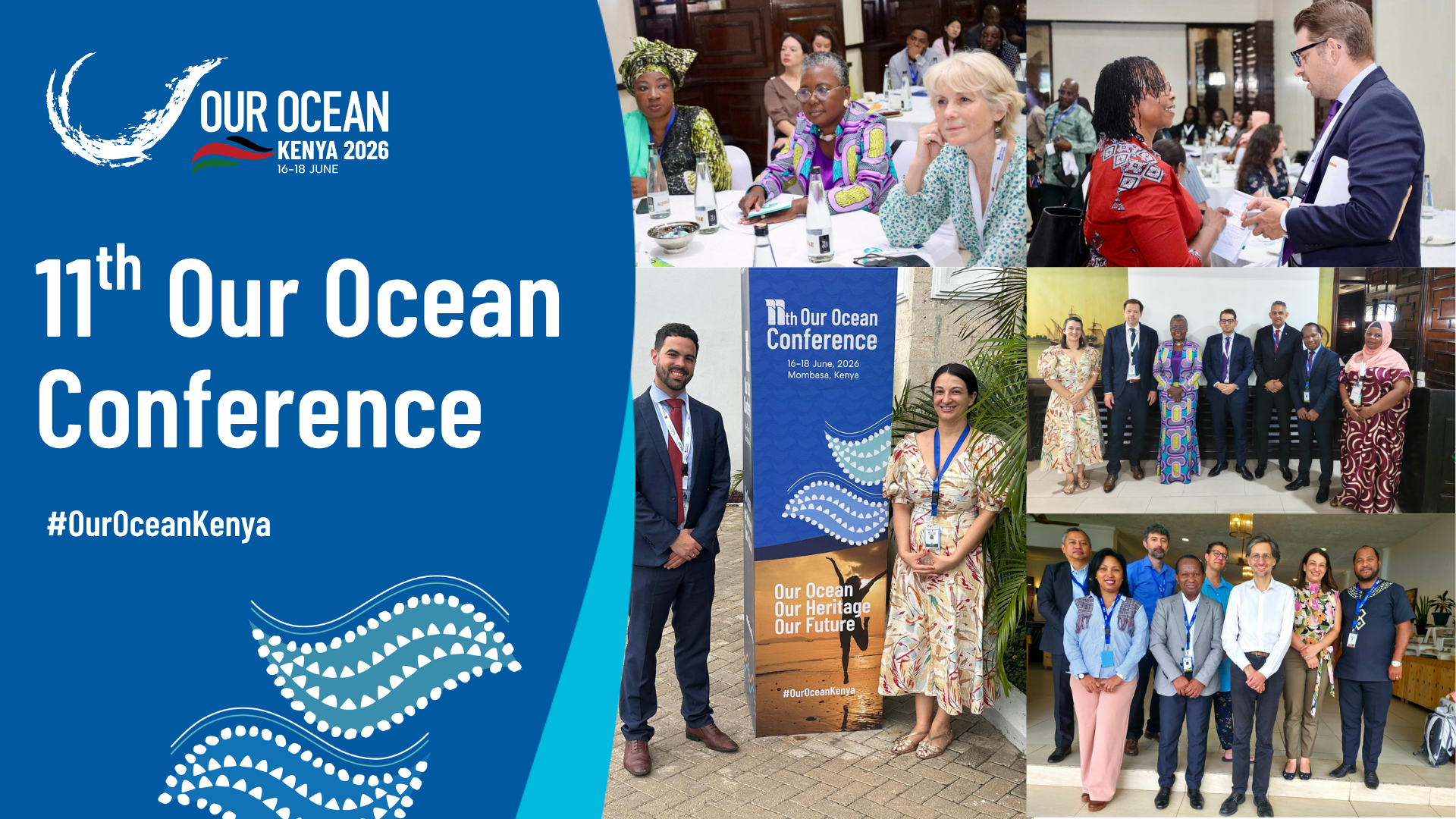
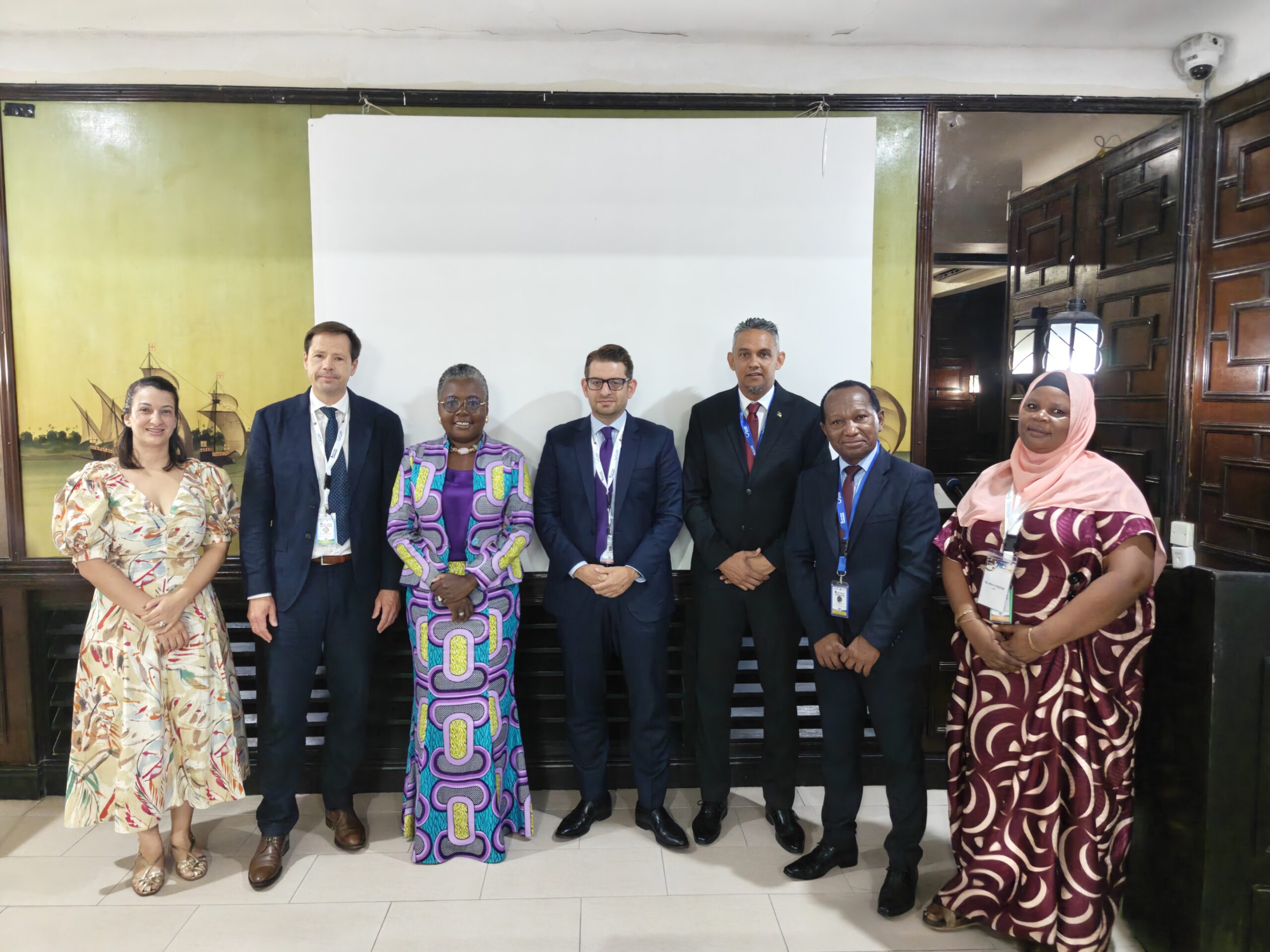
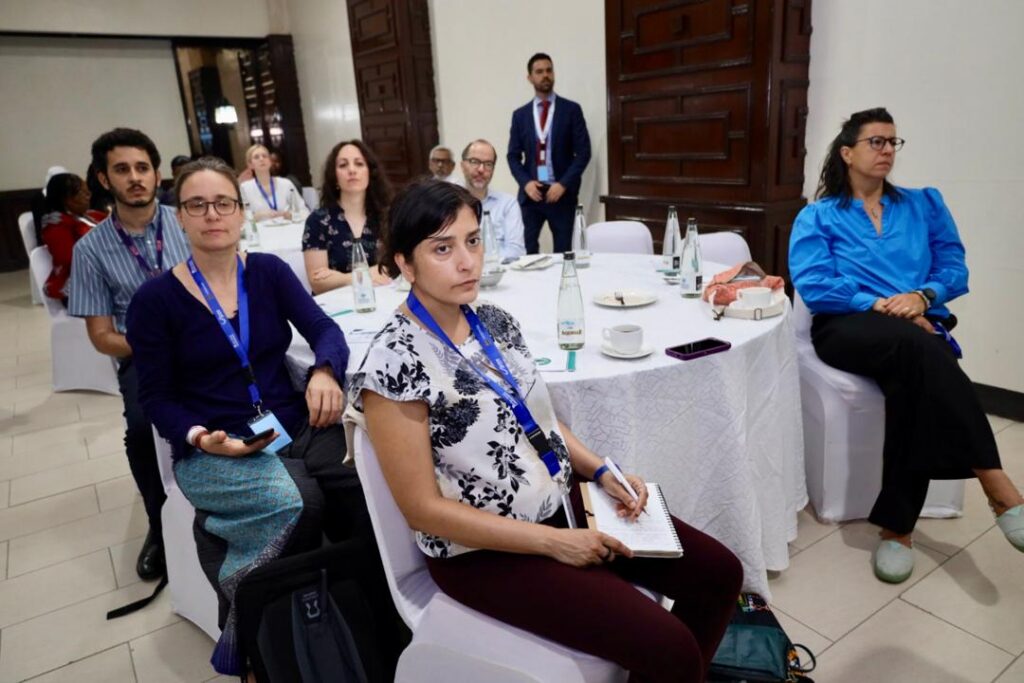
To demonstrate the transformative force of data-driven partnerships for implementing the WTO agreement on fisheries subsidies, the Fisheries Transparency Initiative, along with the German Federal Ministry for Economic Cooperation and Development (BMZ), the World Trade Organisation Fisheries Funding Mechanism Trust Fund (WTO Fish Fund), the Ministry of Fisheries and Aquaculture of Ghana, the Ministry of Fisheries and Blue Economy of Madagascar, the World Bank Group, Blue Ventures, Fauna & Flora, and the Confédération Africaine des Organisations de Pêche Artisanale (CAOPA), co-sponsored an event alongside the 11th Our Ocean Conference (OOC11) in Kenya this week.
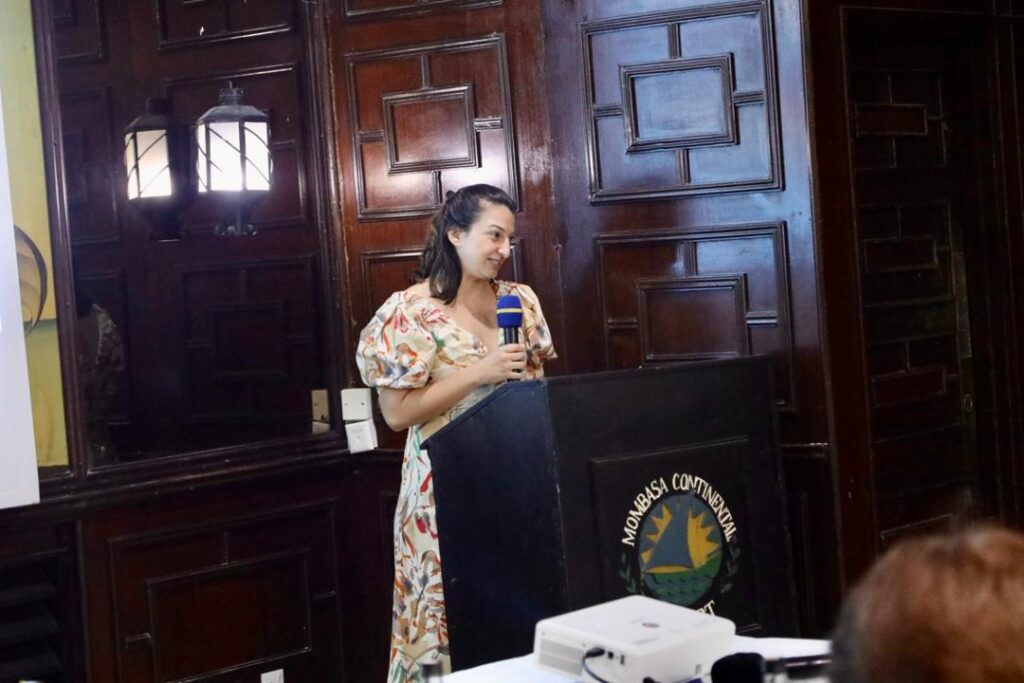
Chaired by Dr Karine Young, FiTI’s Regional Manager for Africa, this high-level multi-stakeholder side event brought together senior leaders and practitioners from governments, small-scale fisheries and intergovernmental organisations to:
- demonstrate how digital and cost-effective solutions can accelerate data-driven implementation strategies of the AFS;
- mobilise new commitments from governments to strengthen policy and institutional frameworks;
- showcase how the WTO Fish Fund supports countries in implementing the AFS; and
- highlight practical examples of how multi-stakeholder partnerships are transforming evidence-based fisheries governance, contributing to sustainable blue economies.
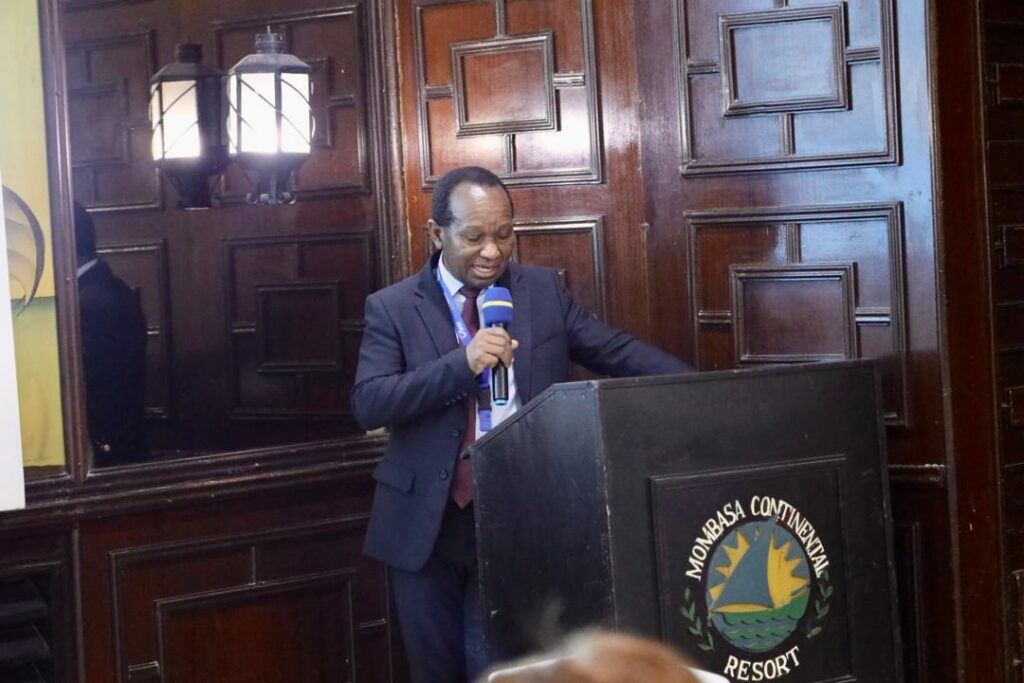
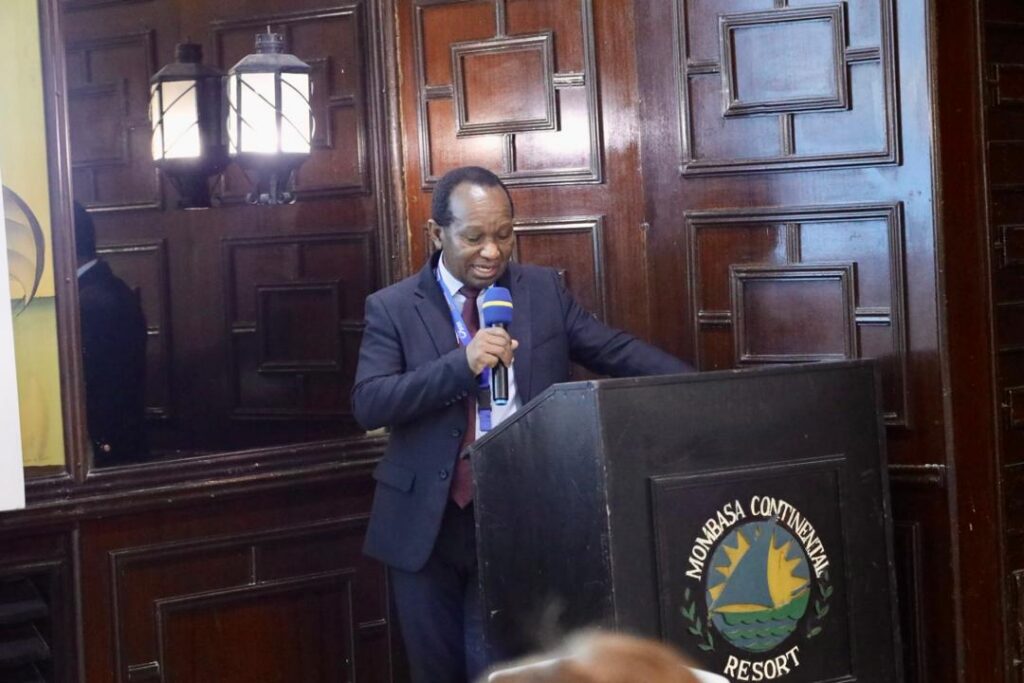
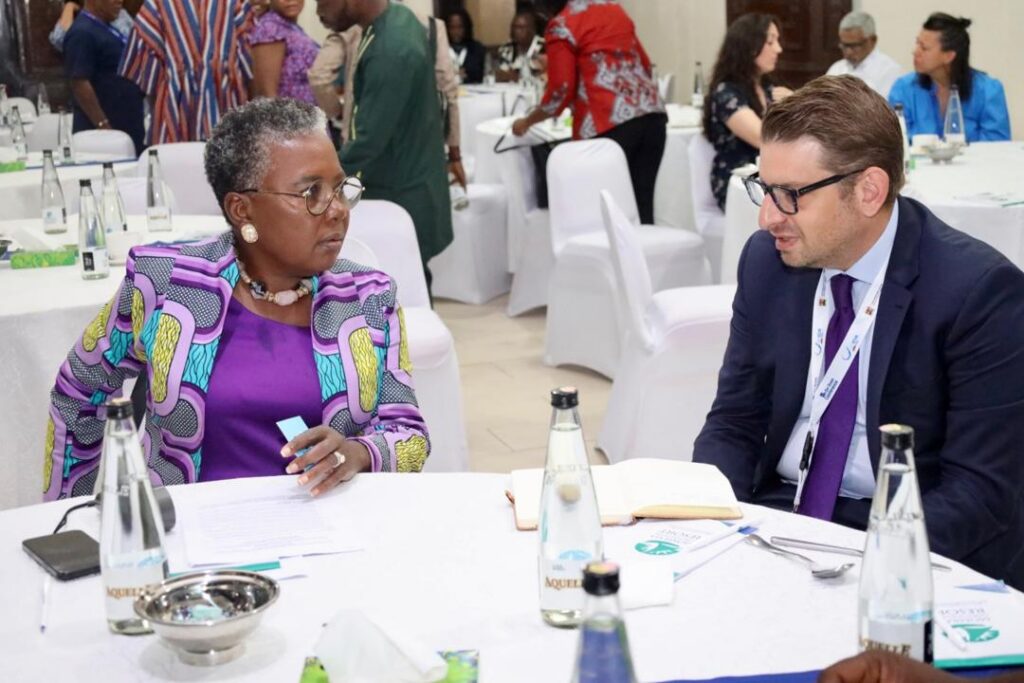
The event highlighted growing momentum across Africa toward transparent, accountable fisheries governance. Ghana’s Minister Emilia Arthur pointed to the country’s ongoing fisheries reform programme and announced the launch of its own Fisheries Information System (FIS), provided by FiTI, as evidence that transparency commitments are translating into concrete action.
“Transparency is not an end in itself; it is the foundation of accountable, inclusive, and evidence-based fisheries governance.” She added that Ghana’s experience “demonstrates that transparency, digital innovation, stakeholder participation, and strong partnerships are mutually reinforcing pillars of sustainable fisheries governance,” and stressed that implementing the WTO Agreement on Fisheries Subsidies “requires reliable, timely, and accessible fisheries data.”
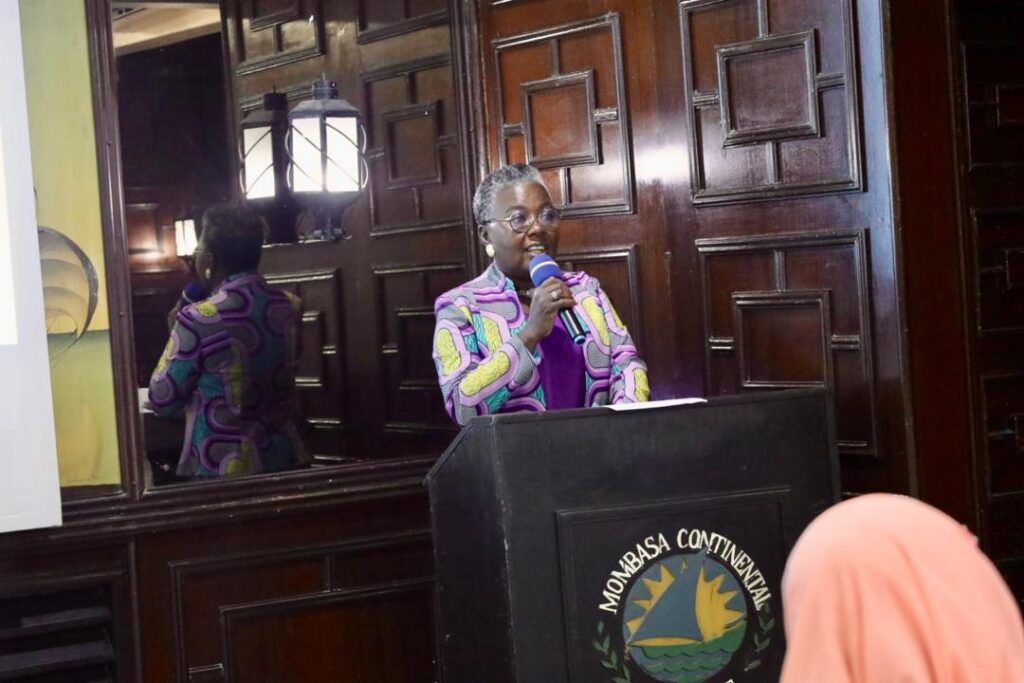
Minister of Fisheries and Aquaculture, Ghana
Minister of Fisheries and
Blue Economy, Madagascar
Madagascar’s Minister Jean Maharavo echoed this trajectory, announcing that the country is in the process of ratifying the WTO Agreement on Fisheries Subsidies, with ratification expected next year. He reaffirmed Madagascar’s commitment to implementing the Fisheries Transparency Initiative (FiTI), including adopting the FIS that FiTI provides for member countries. Together, the two announcements point to a broader regional shift underway: governments moving beyond simply signing international agreements and declarations, toward operationalising them through the data systems needed to deliver on their commitments.
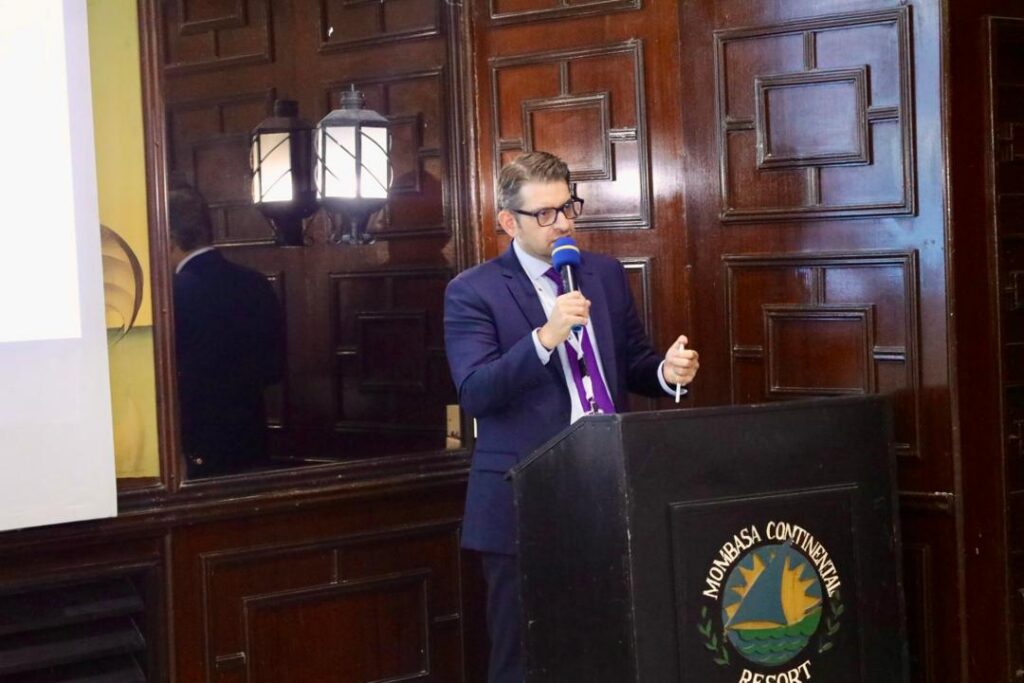
Dr Andreas Schaumayer highlighted the FiTI’s role in this new shift: “By supporting countries in meeting their reporting and notification obligations under the WTO Agreement on Fisheries Subsidies, supported by digital services, the FiTI is a practical tool for implementation, compliance, and improved governance.”
“[Germany is] proud to support the Fisheries Transparency Initiative (FiTI), which works with partner countries to improve transparency, strengthen fisheries governance systems, and enable fishing communities to participate in decision-making processes that affect their livelihoods.“
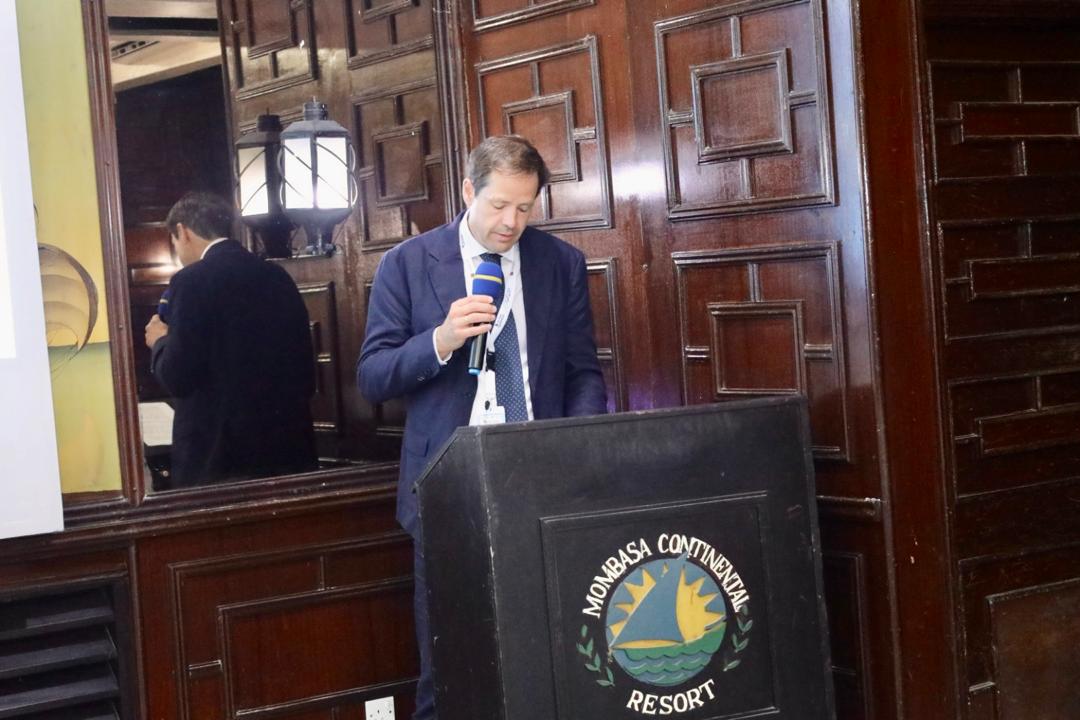
Head of Division, Food Security & Water
Federal Ministry for Economic Cooperation and Development, Germany
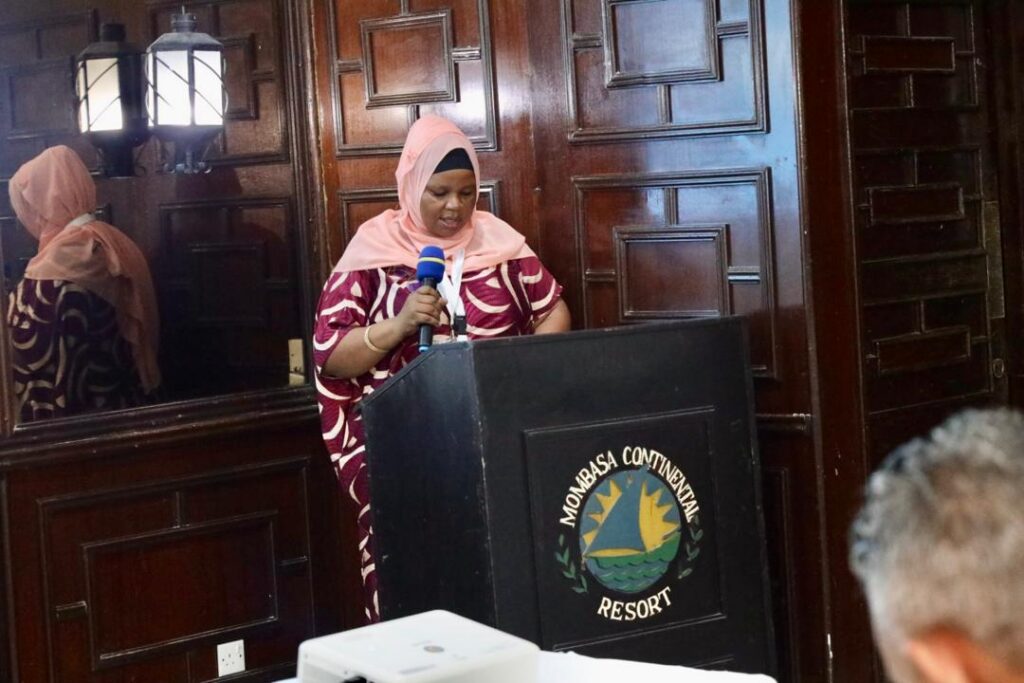
Coordinator, Coastal Women in Fisheries Entrepreneurship Association
As Ms Mercy Wasai Mghanga explained, improving reporting and transparency in the fisheries sector can also reveal the contributions of ‘hidden’ demographics. “Women are essential actors in fisheries value chains, yet their contributions often remain hidden in official statistics.
Improving the visibility of women in fisheries data leads to better-informed policies, more equitable resource allocation, and stronger fisheries governance. By contributing their knowledge, experiences, and perspectives to data collection and decision-making processes, women can help shape the information that governments and policymakers rely on, ultimately leading to more sustainable, inclusive, and resilient fisheries sectors.”
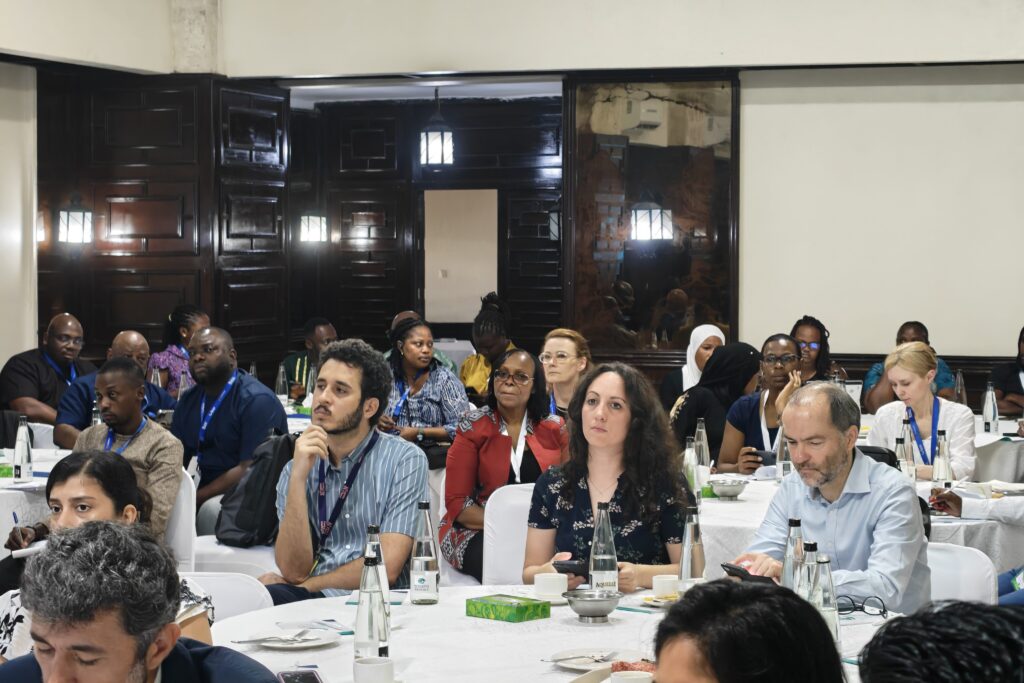

Additional photos courtesy of Rhodaline Phyllis Abba.