From commitment to action: Anglophone African countries advance fisheries transparency in Accra
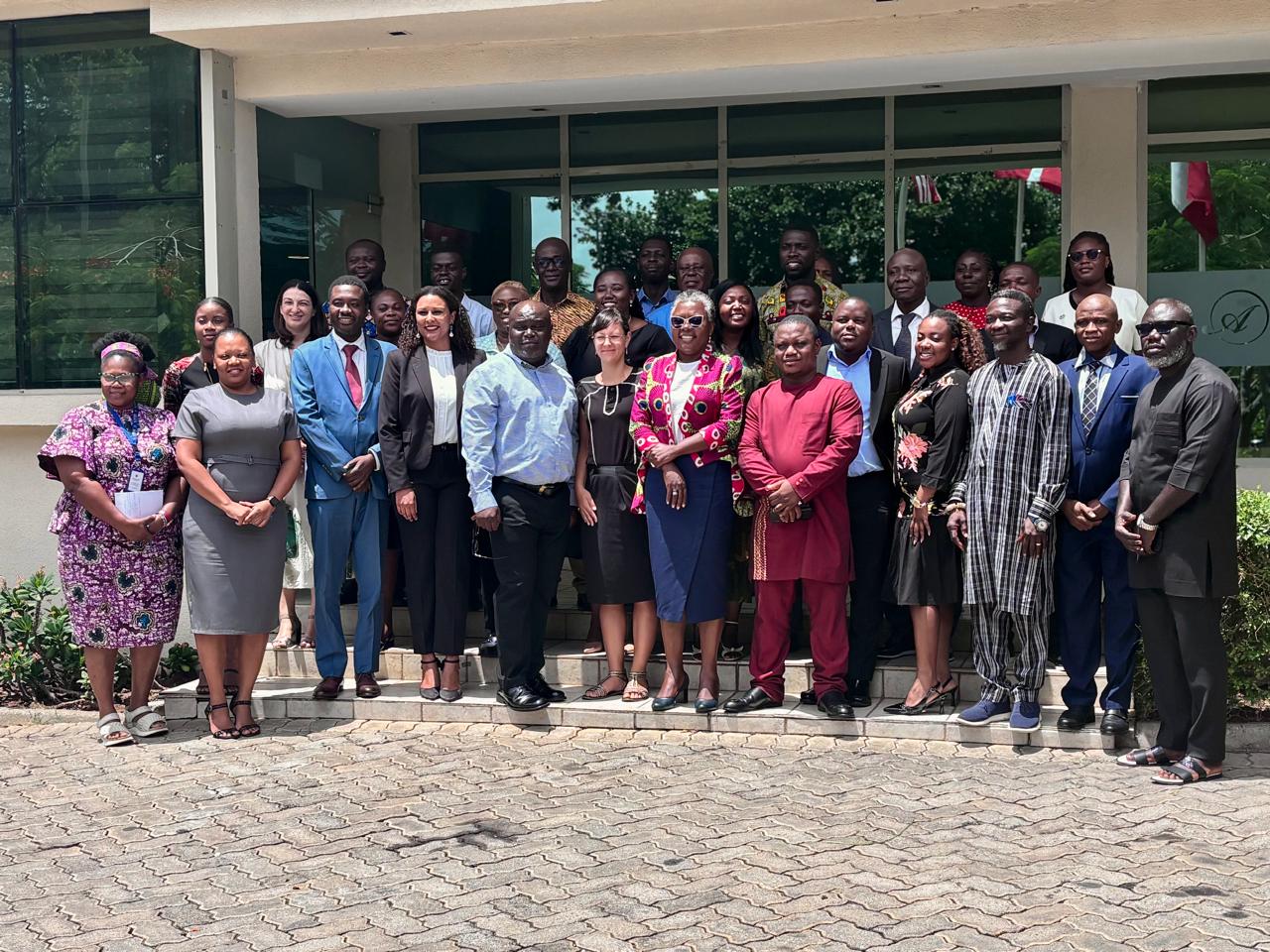
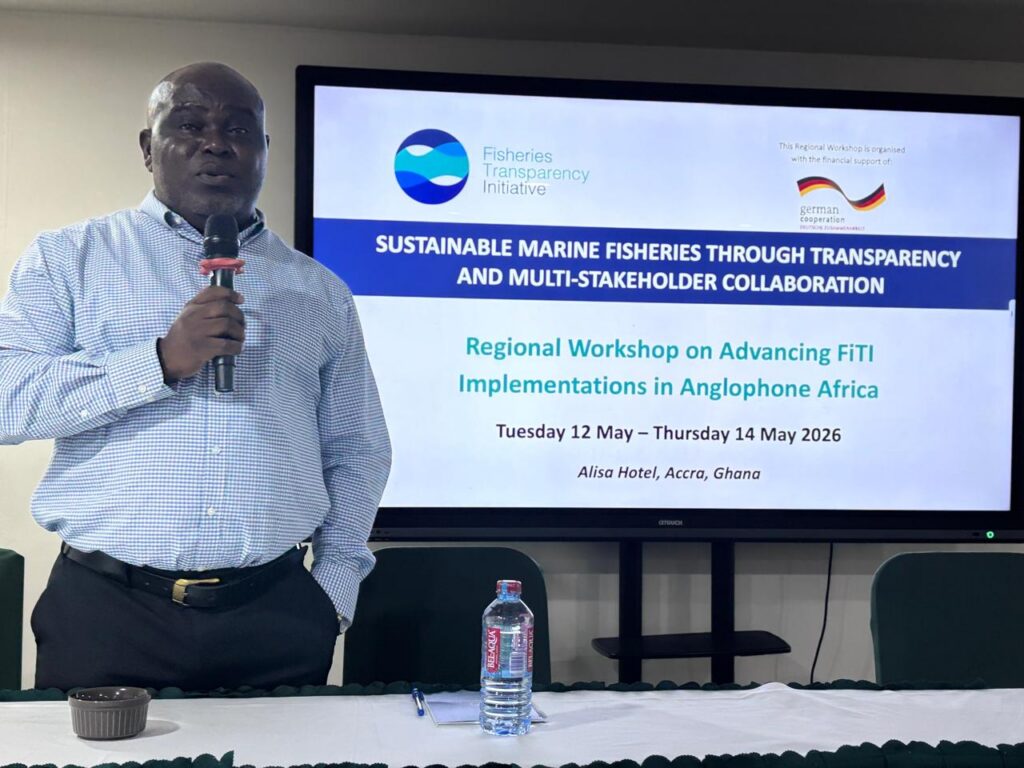
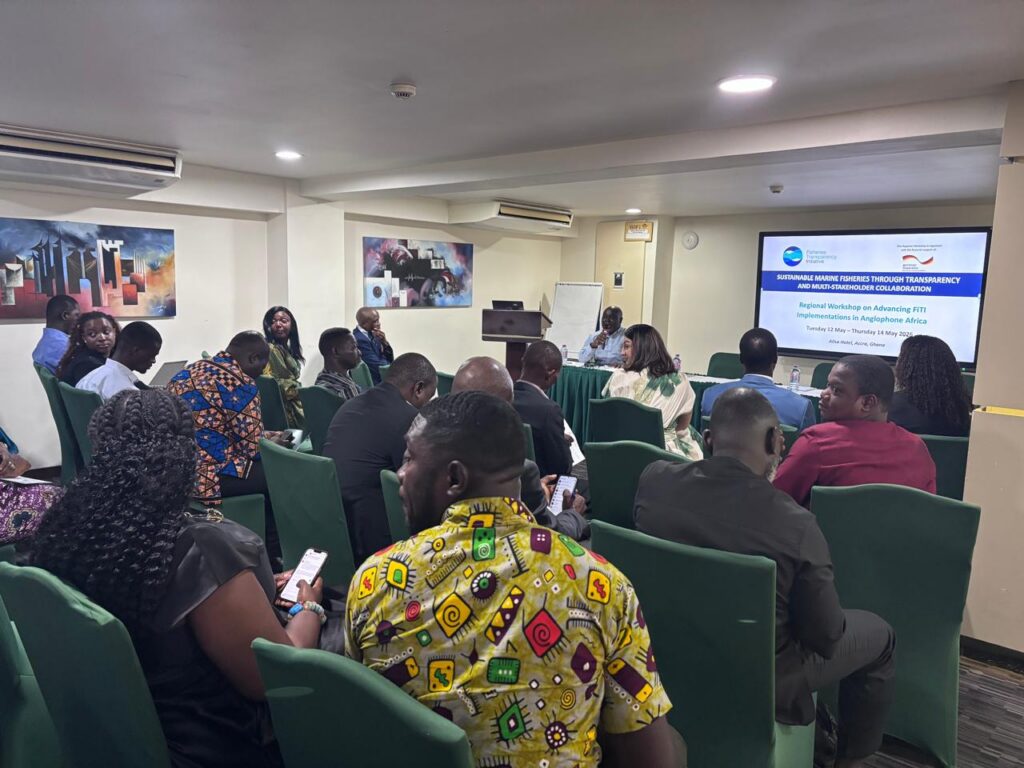
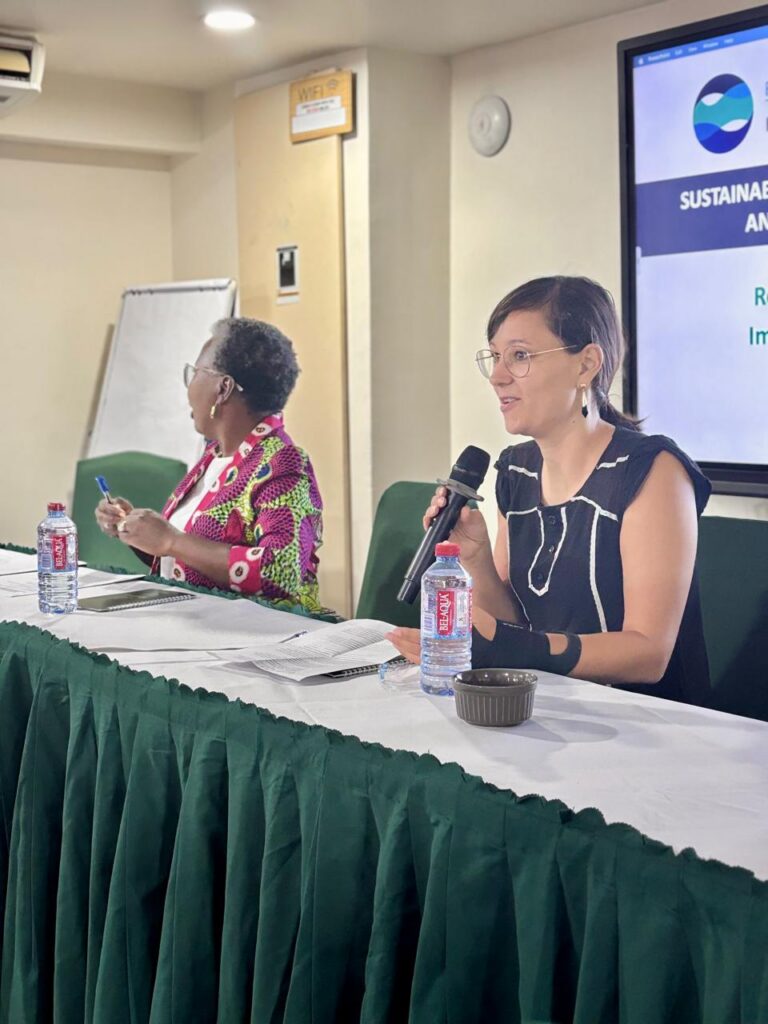
Representatives from Ghana, Liberia, Sierra Leone and Seychelles gathered in Accra, Ghana, from 12–14 May 2026 for the FiTI Regional Workshop on Advancing FiTI Implementation in Anglophone Africa. Over the course of three days, participants moved beyond acknowledging why transparency matters to take the steps required to make it a reality.
Building on the success of FiTI’s first regional workshop for implementing countries in Africa (Cabo Verde, October 2025), this workshop brought together government officials, civil society representatives and fisheries stakeholders to strengthen implementation readiness, share experiences and identify concrete actions to advance fisheries transparency across the region.
For Ghana, Liberia and Sierra Leone, the workshop came at a pivotal moment. All three countries are progressing towards key implementation milestones, with Ghana and Liberia preparing their FiTI Implementing Country Applications and Sierra Leone advancing preparations to establish its National Multi-Stakeholder Group (MSG).
Transparency as a Foundation for Sustainable Fisheries
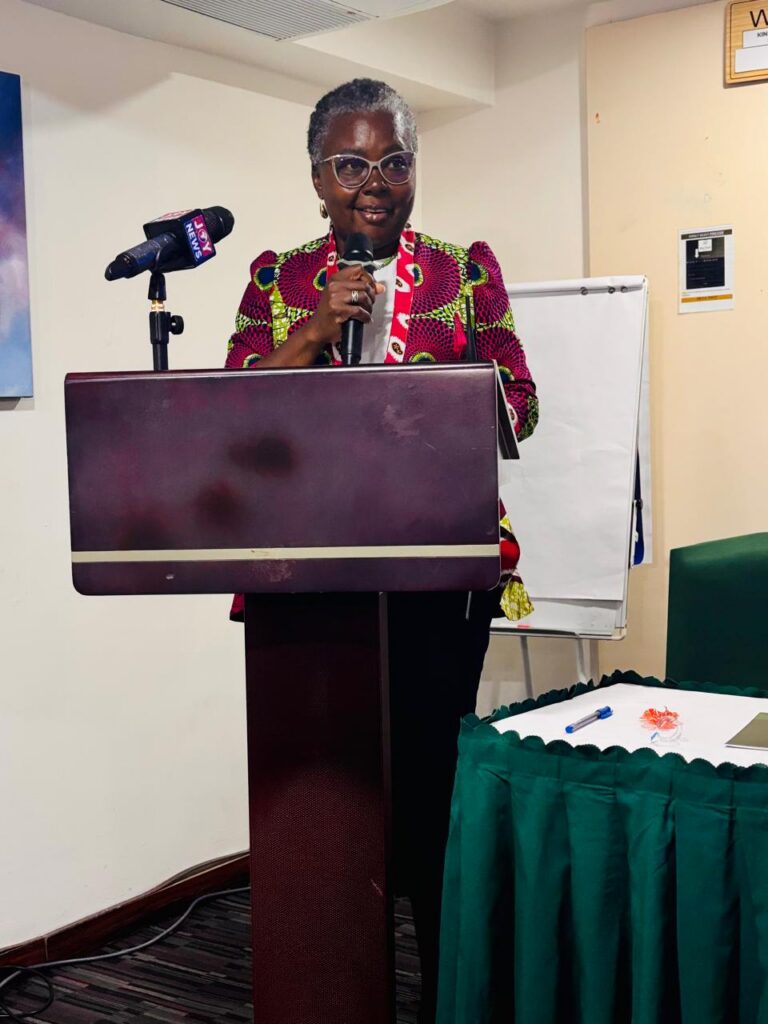
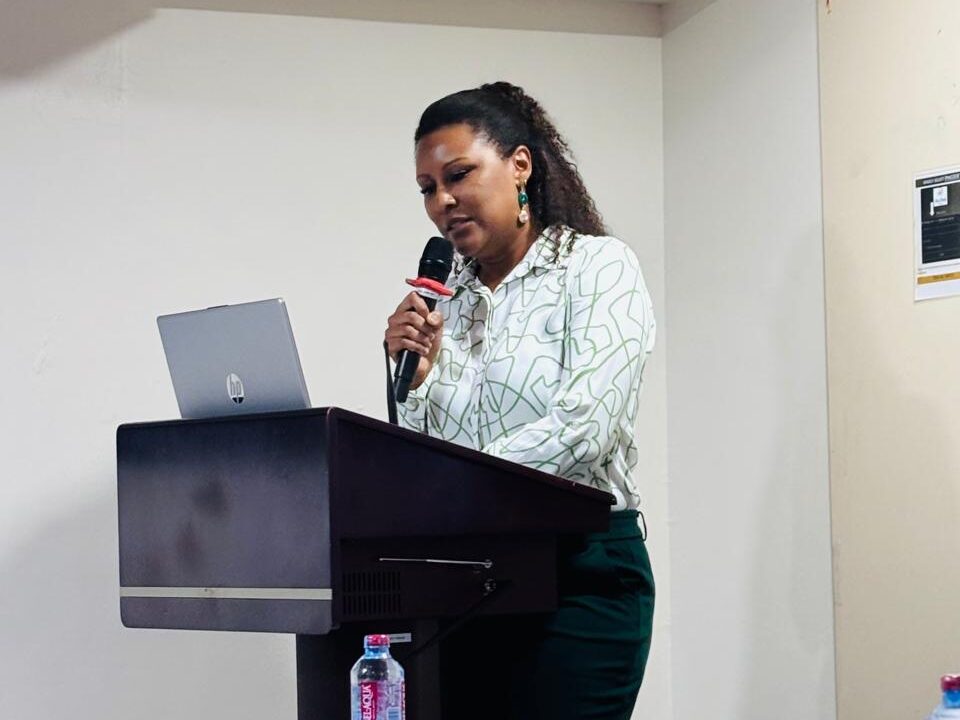
The workshop was opened by Hon. Emelia Arthur, Ghana’s Minister for Fisheries and Aquaculture Development, who emphasised that “transparency is not merely about publishing information — it is a tool for strengthening accountability, building public trust, and enabling evidence-based management of fisheries resources.”
The Minister also highlighted the importance of making information on fishing licences, vessel registries, stock assessments, fisheries agreements and catches publicly accessible. Without such information, she noted, public participation becomes weakened, oversight becomes limited and sustainable management becomes increasingly difficult.
Her message resonated throughout the workshop: transparency is not an end, but a means to improve governance, strengthen accountability and ensure fisheries resources are managed sustainably for future generations.
Learning from Africa’s First FiTI Compliant Country
Seychelles’ participation was a key feature of the workshop; the nation became the world’s first FiTI Compliant Country in February 2025.
Nathanielle Morel, Seychelles’ FiTI National Secretariat, shared practical lessons from the country’s journey from political commitment to compliance. Participants explored how Seychelles established effective institutional arrangements, strengthened stakeholder participation and developed systems to improve the accessibility and quality of fisheries information.
For many participants, the Seychelles experience demonstrated that successful implementation is independent of the size of a country’s fisheries administration or the availability of extensive resources. Rather, it requires strong national ownership, effective coordination and sustained engagement among government, industry and civil society stakeholders.
Turning Existing Information into Public Information
One of the most revealing discussions centred on the FiTI Standard 2.0 and its 12 thematic transparency requirements.
Participants reflected on the information already being collected and reported within their respective countries and reached a common conclusion: much of the information required under the FiTI Standard already exists.
The challenge is often not data collection, but accessibility.
Information is frequently dispersed across multiple institutions, published in different formats, difficult to locate or not made publicly available. To that end, participants discussed how countries can improve coordination, strengthen publication practices and make fisheries information more accessible and useful to stakeholders.
The workshop also explored how FiTI Reporting can complement existing national and international reporting obligations, including information submitted to regional fisheries management organisations such as ICCAT. Participants welcomed opportunities to reduce duplication and build on existing reporting systems rather than creating new parallel processes.
Digital Tools Supporting Transparency
One of the most practical sessions introduced participants to the Fisheries Information System (FIS), a digital platform developed by the FiTI to support countries in organising, publishing and maintaining fisheries information through a centralised online platform.
The FIS represents a significant shift away from static reporting towards dynamic and continuously accessible fisheries information.
Participants explored how the system can help countries consolidate information across institutions, strengthen data management processes, improve inter-agency collaboration and support annual transparency assessments.
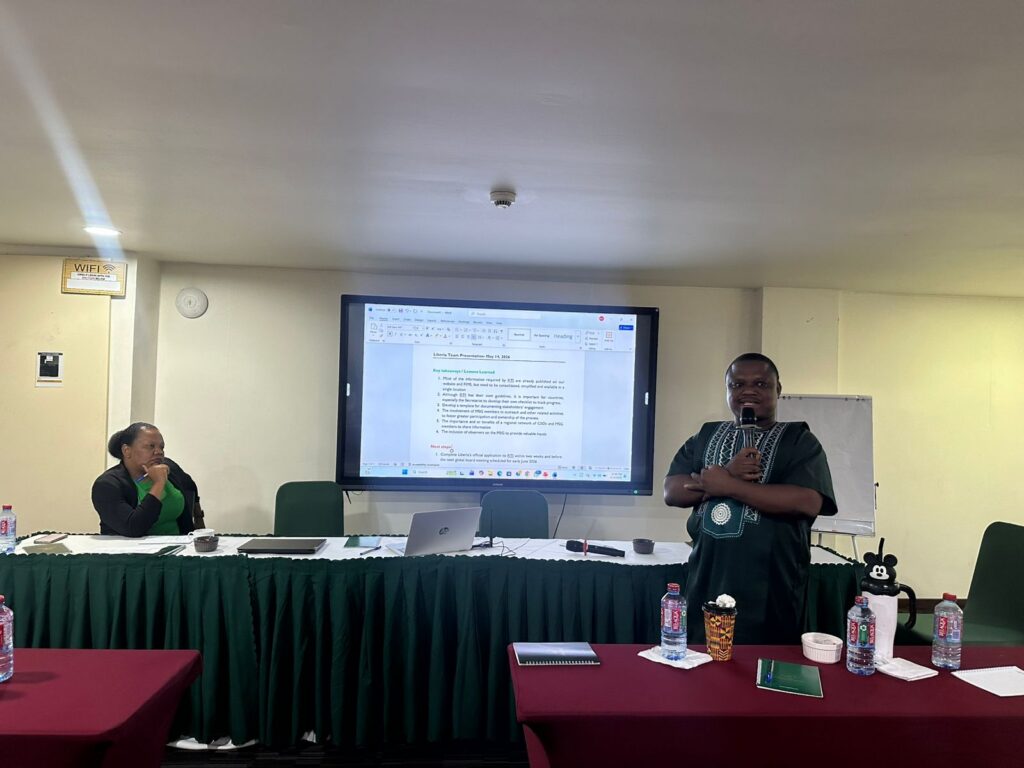
Interest in the system was strong; Ghana provided an update on its ongoing rollout of the FIS, expected to be launched in June 2026, while Liberia and Sierra Leone also expressed their intention to explore adopting the platform as part of their future implementation efforts.
The discussions reinforced a broader message emerging across the FiTI community: transparency is most effective when information is not only available, but also accessible, understandable and regularly updated.
From the Conference Room to the Harbour
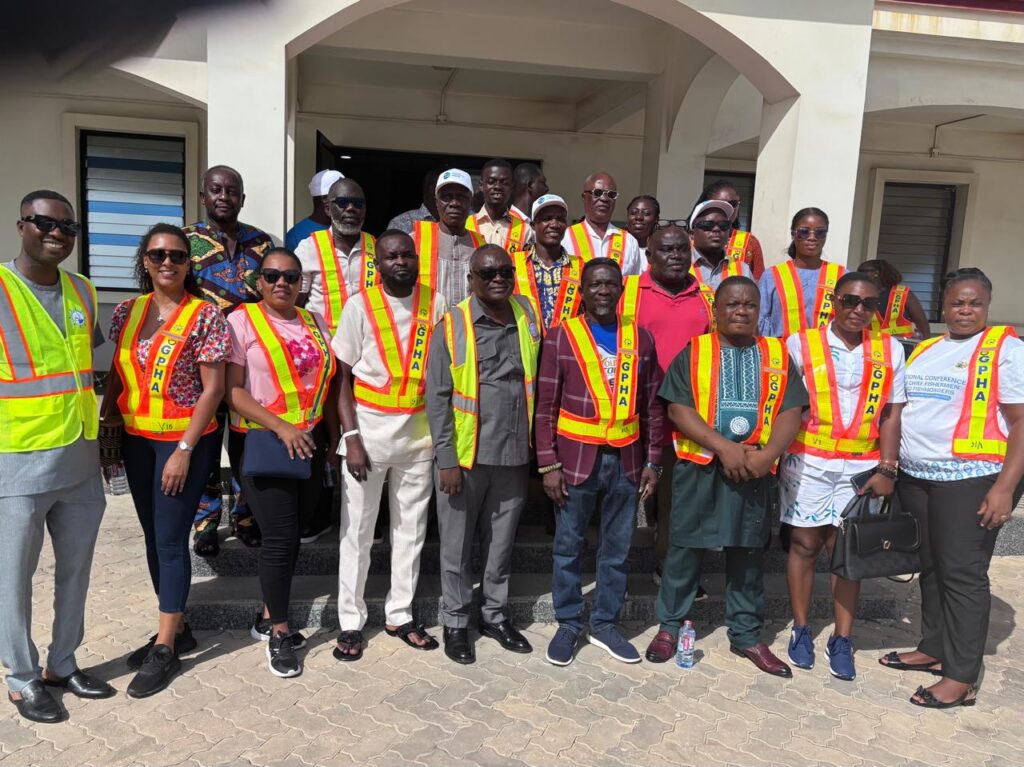
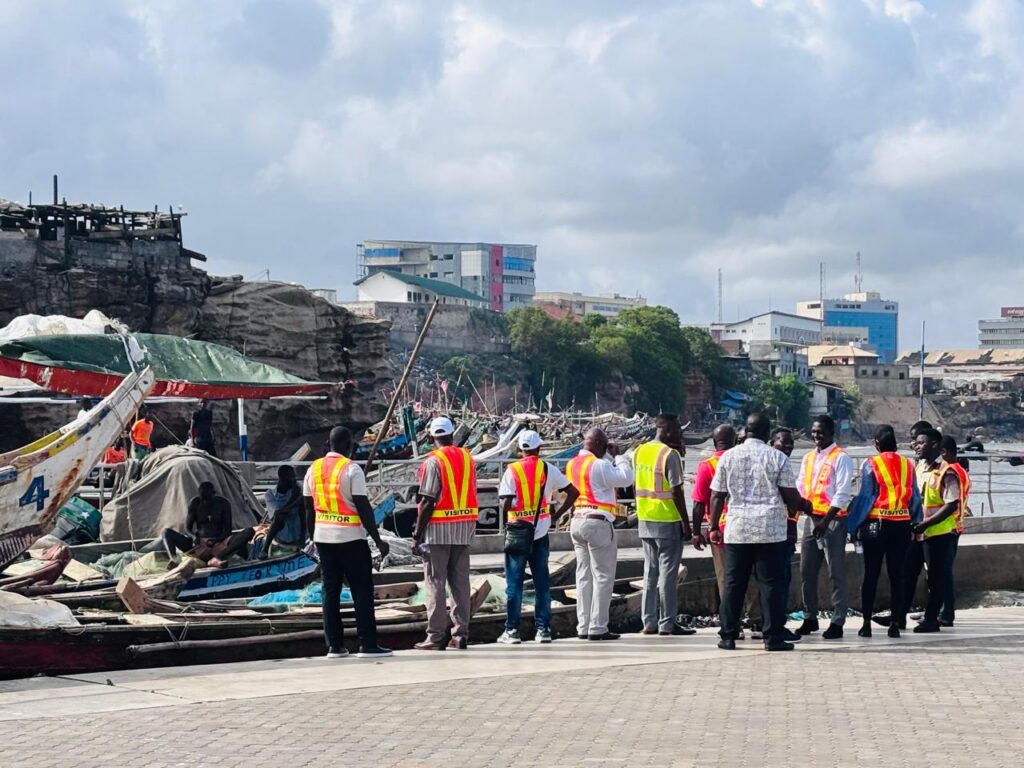
The workshop concluded with a visit to James Town Fishing Harbour, one of Accra’s oldest and most active small-scale fishing communities. The Resident Harbour Manager engaged with workshop participants and introduced them to the work that the Ghana Ports and Harbours Authority (GPHA) does to provide security, manage the harbour’s infrastructure and ensure hygienic conditions for the local fishing communities.
For participants, the visit served as an important reminder of why transparency matters. Behind every fisheries policy, licence registry, or data system are communities whose livelihoods depend on healthy fish stocks, accountable governance, and informed decision-making.
The visit connected many of the workshop’s discussions to the realities experienced by fishers, processors and coastal communities. Participants appreciated learning even more about the importance of small-scale fisheries in West Africa, and how enhancing transparency can contribute to improved management and long-term sustainability of fisheries.
Looking Ahead
The importance of translating political commitment into practical implementation was a recurring theme throughout the workshop. Across Africa, many countries recognise the value of transparency in fisheries governance; however, participants acknowledged that commitments alone do not improve transparency. Progress requires institutions, processes and stakeholder engagement mechanisms that can transform ambition into measurable results—and that’s exactly what the FiTI process supports.
The FiTI process is not simply a reporting framework, but a practical mechanism for operationalising transparency. By establishing National Multi-Stakeholder Groups (MSGs), annual reporting processes, and structured stakeholder dialogue, countries are able to move beyond policy statements and begin systematically identifying information gaps, improving publication practices, and strengthening accountability.
Participants reflected that transparency should not be viewed as a one-off disclosure exercise, but as an ongoing governance process. By bringing government agencies, industry representatives and civil society together around a shared set of objectives, the FiTI creates the institutional foundations needed to embed transparency into everyday fisheries management.
For Ghana, Liberia and Sierra Leone, the challenge is no longer whether transparency is important, but how to operationalise it effectively. Across all discussions, one lesson continued to surface: successful implementation is not primarily about resources or technology. It is about institutions, ownership and collaboration.
As countries across Anglophone Africa continue their FiTI implementation journeys, this workshop demonstrated that regional cooperation, peer learning and stakeholder engagement remain among the most powerful tools for advancing transparency and strengthening fisheries governance.
The momentum generated in Accra now moves from discussion to action.