FiTI brings 5 African countries together to strengthen fisheries transparency
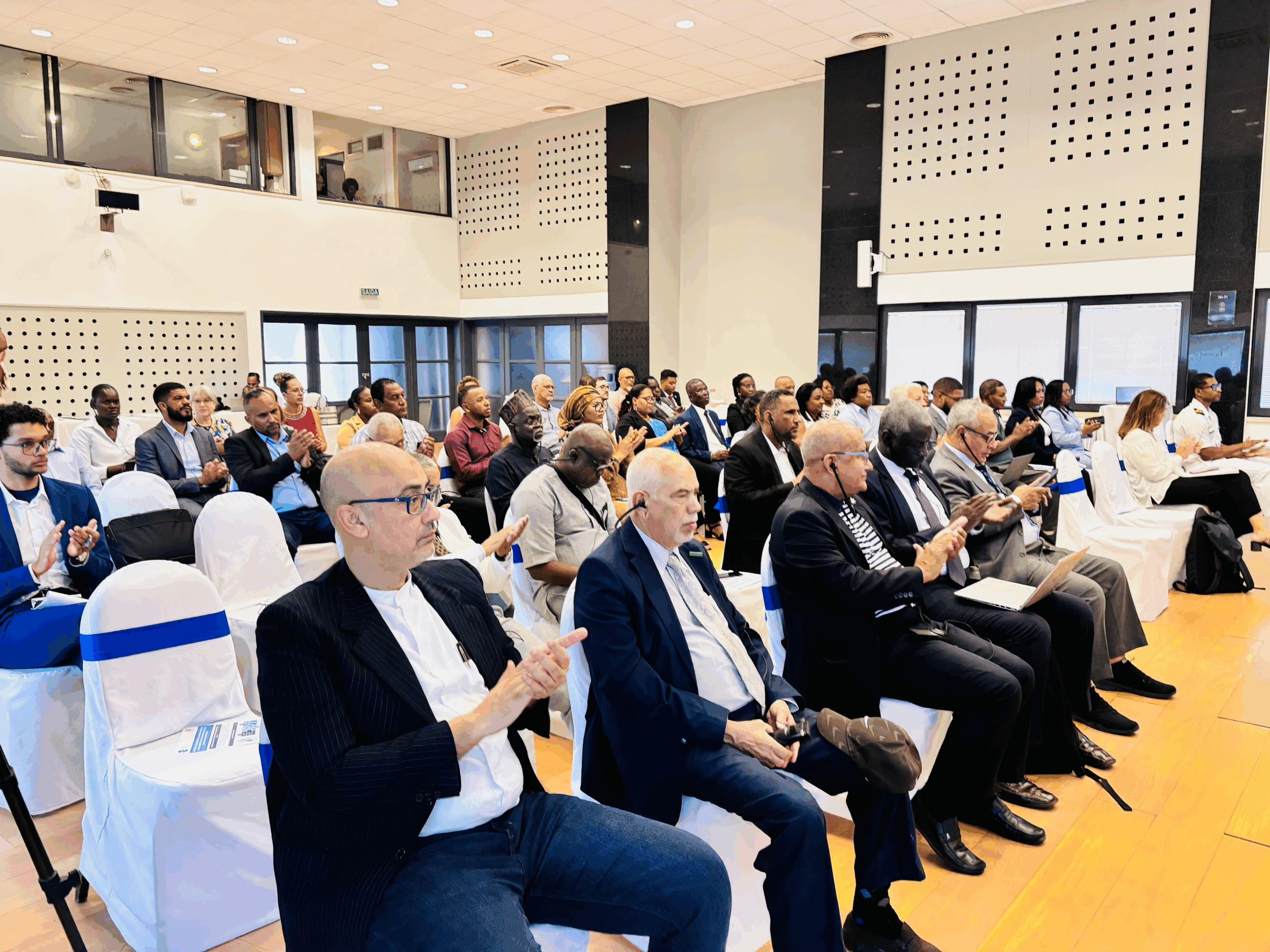
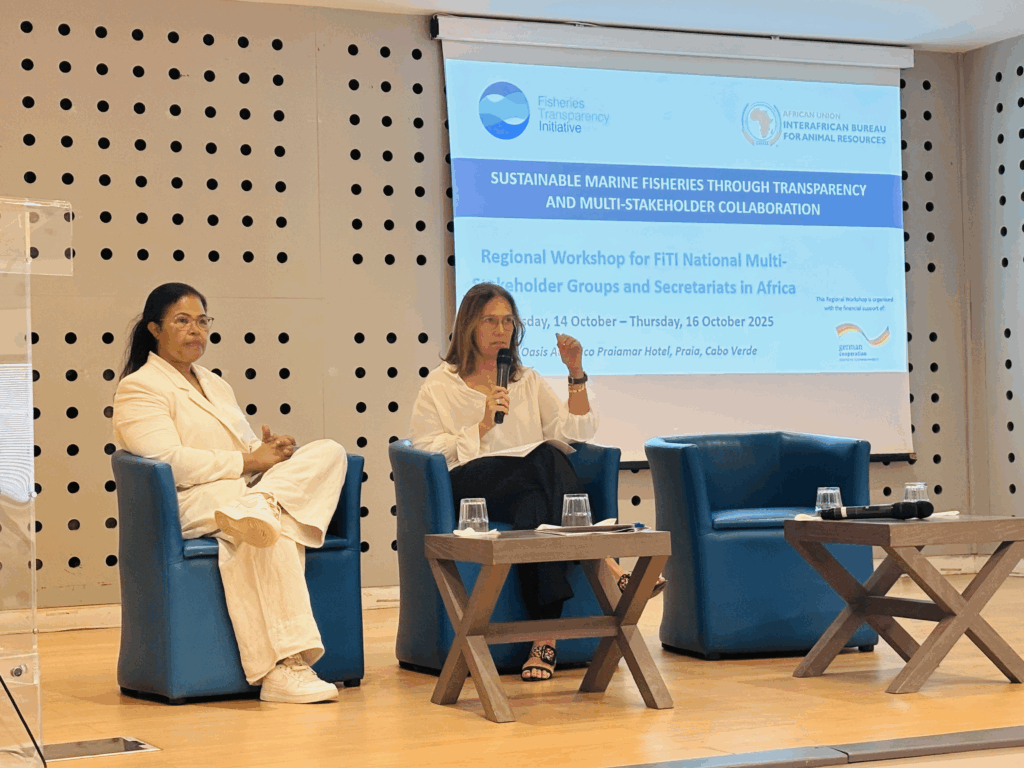
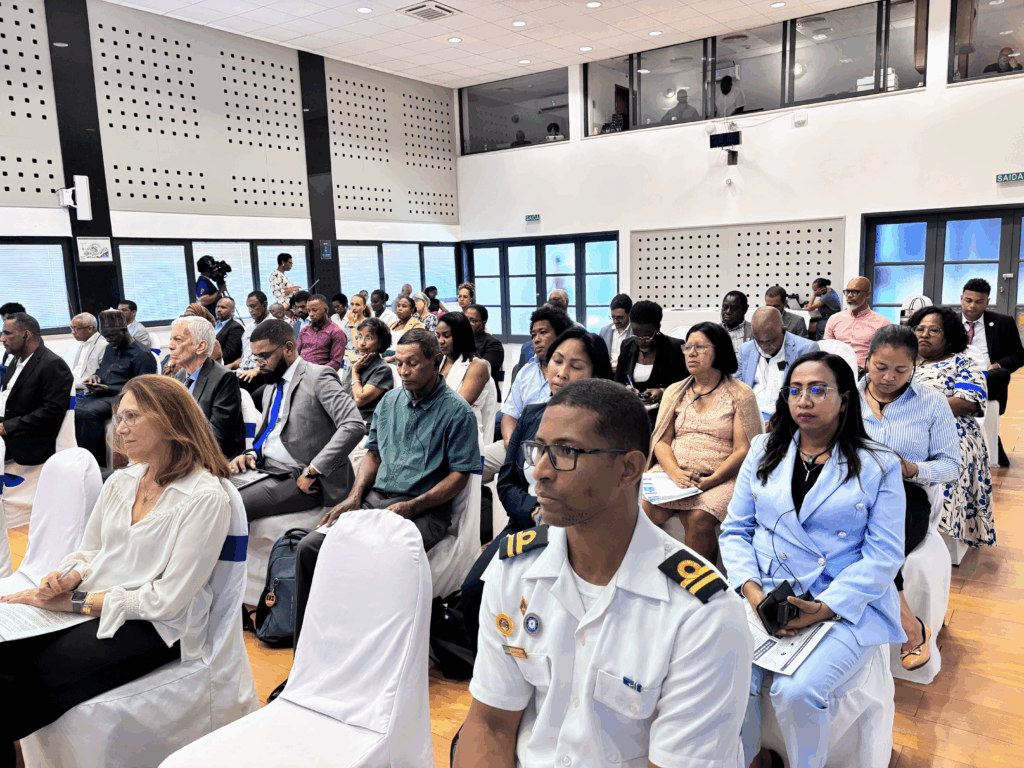
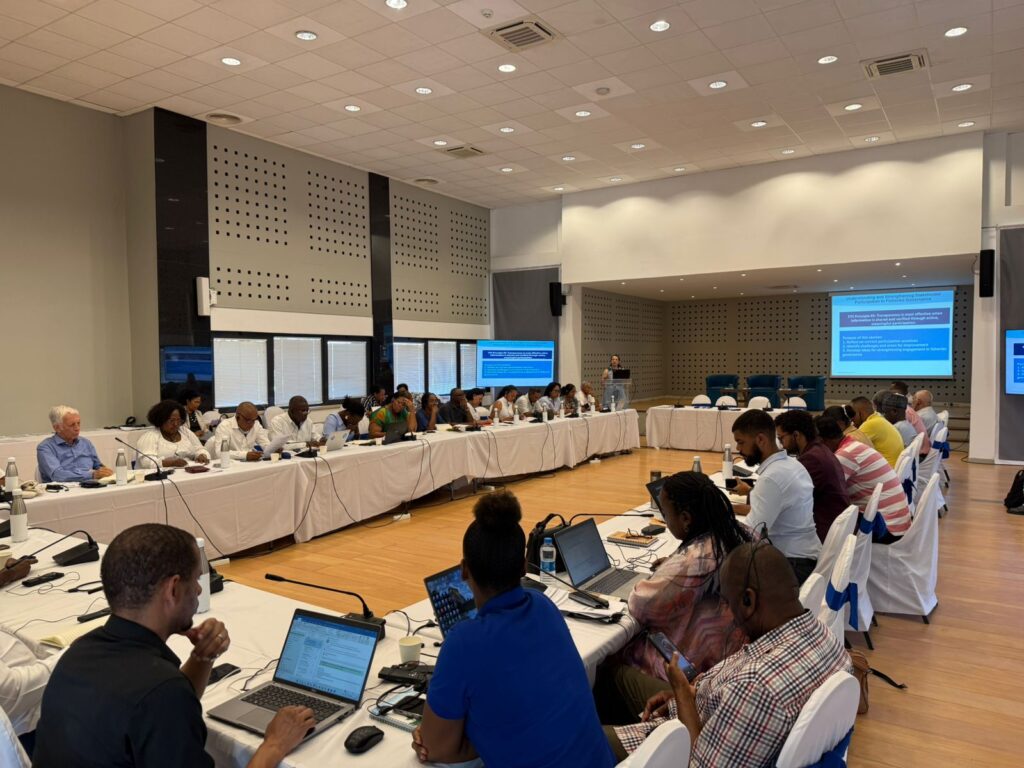
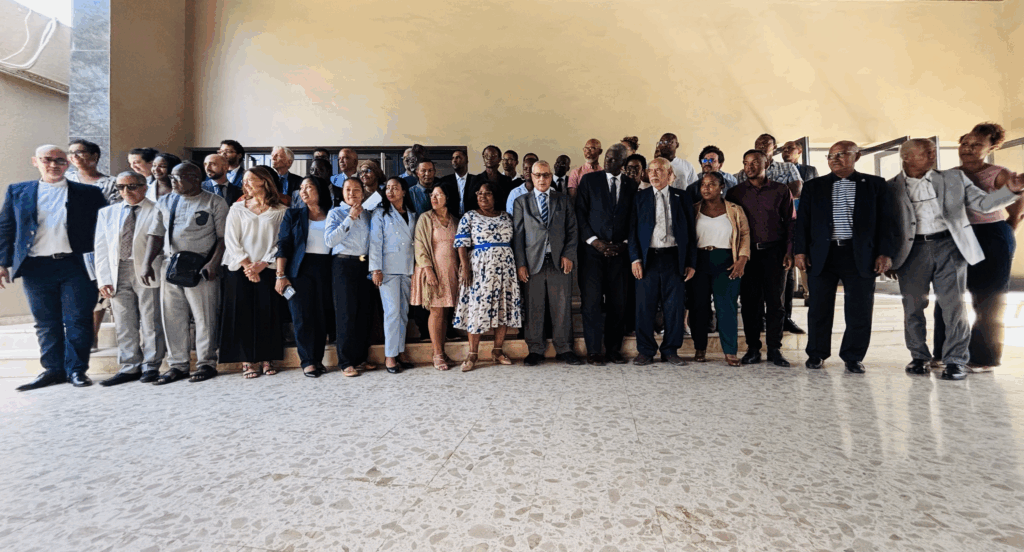
From 14–16 October 2025, the Fisheries Transparency Initiative (FiTI) brought together representatives from five African countries in Praia, Cabo Verde, for its first Regional Workshop for National Multi-Stakeholder Groups (MSGs) and National Secretariats in Africa.
The workshop convened participants from Cabo Verde, Madagascar, Mauritania, São Tomé and Príncipe, and Seychelles, alongside partners and observers from regional and civil society organisations, including the African Union – Inter-African Bureau for Animal Resources (AU-IBAR), Blue Ventures, Fauna & Flora, and the Regional Partnership for Coastal and Marine Conservation (PRCM). This diverse participation ensured a rich exchange of perspectives from government, civil society, and regional institutions.
The overarching aim of the workshop was to strengthen the effectiveness and impact of National MSGs, while fostering regional collaboration and improving alignment with key continental frameworks such as AU-IBAR’s Policy Framework and Reform Strategy (PFRS) and the African Blue Economy Strategy.
The first day centred on national country presentations, offering an honest look at the realities of implementing FiTI at country level. Delegations shared progress, challenges, and lessons learned, revealing a common thread across countries: while political commitment to transparency is strong, many National MSGs continue to face constraints related to capacity, coordination, and sustainable resources.
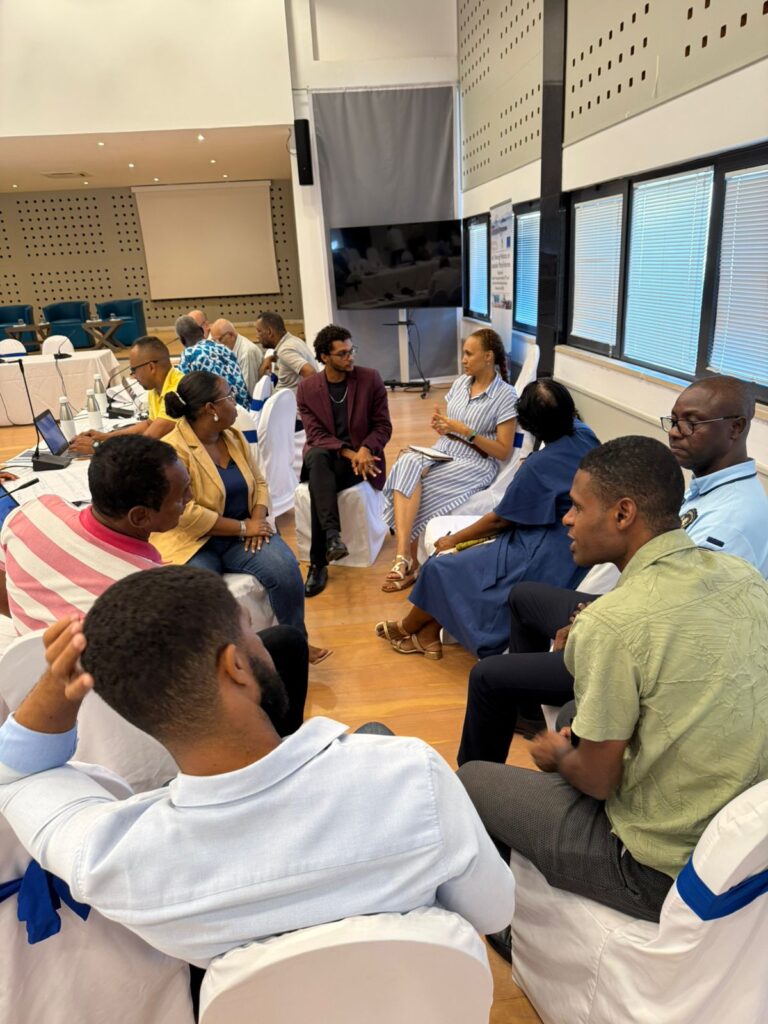
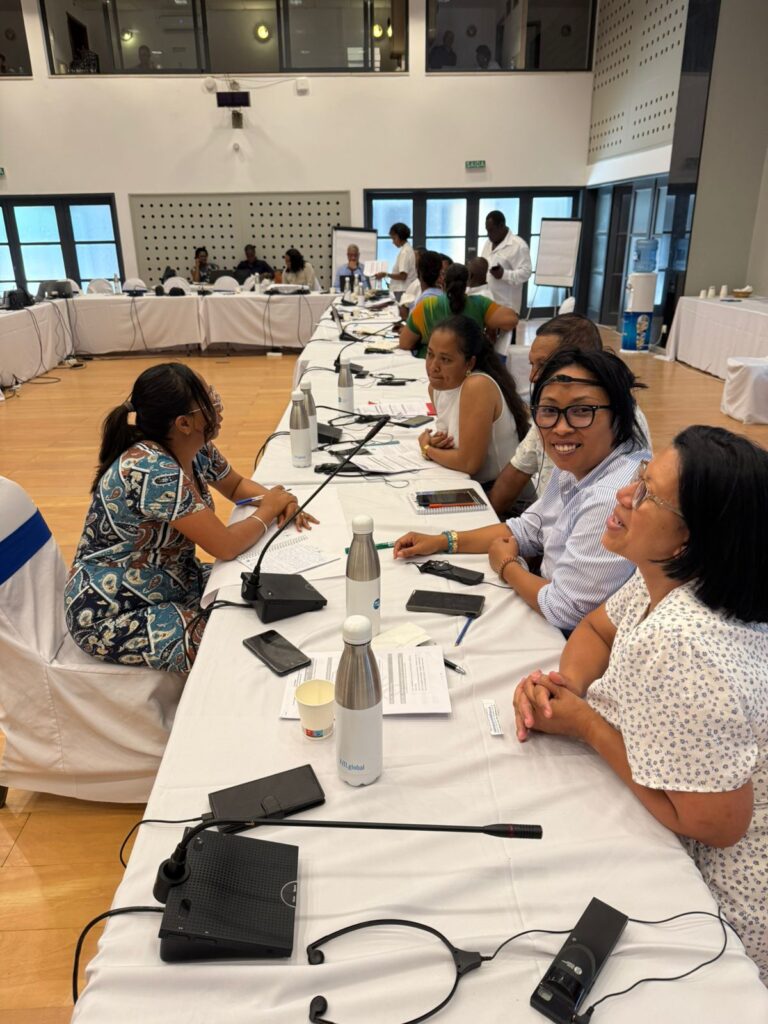
Participants then moved into breakout discussions on four core themes: fundraising, stakeholder engagement, outreach and communication, and turning information into impact. These discussions highlighted several key messages:
- the need to move away from short-term, project-based funding towards more sustainable financing models;
- strengthening National MSG representation and participation, including engagement with media, legal, and financial actors;
- investing in communication so that the benefits of transparency reach communities, particularly small-scale fishers and women; and
- focusing on data use, not just data publication, so transparency leads to tangible governance improvements.
On Day 2, the FiTI International Secretariat updated participants on several important developments. This included an overview of the upcoming FiTI Standard 2.0, scheduled for launch in January 2026, highlighting key changes and what they will mean for national implementation.
Participants were also introduced to the FiTI Compliance Channel, a new accountability mechanism designed to address concerns through dialogue and corrective action. The tool was broadly welcomed, alongside calls for clear guidance on admissibility criteria and how it complements existing national systems.
A major highlight of the day was the presentation of the Fisheries Information System (FIS)—an optional digital platform developed by FiTI to facilitate the publication of fisheries information required under the FiTI Standard in one central location. Expected to go live in February 2026, Cabo Verde and São Tomé and Príncipe are among the first countries set to use the system. Participants welcomed its potential to reduce reporting burdens and improve accessibility, while underscoring the need for training, equitable access for stakeholders with limited internet connectivity, and safeguards around confidentiality and national oversight.
AU-IBAR also presented AFAData, a continental fisheries and aquaculture database developed under the FishGov2 project, aimed at addressing long-standing data
The final day focused on translating discussions into concrete action. Participants piloted a survey forming part of the FiTI Participatory Toolkit, designed to establish a baseline understanding of stakeholder engagement at the national level. The exercise aims to better identify the capacity needs of stakeholders, particularly National MSG members, to enable meaningful participation in consultations and decision-making processes.
Country groups then shared key “take-home” lessons and follow-up actions. Despite different national contexts, priorities strongly converged around:
- strengthening National MSG governance and participation;
- improving communication and outreach so FiTI reports reach fishers, youth, media, and decision-makers;
- mobilising sustainable financing;
- improving data systems and usability; and
- maintaining regional learning and collaboration.
By the close of the workshop, participants reaffirmed a shared commitment to inclusive governance, stronger communication, and closer alignment with AU-IBAR’s regional programmes. The overall message was clear: transparency is most powerful when it leads to action, particularly when data is accessible, understood, and actively used to improve decision-making, accountability, and the sustainability of fisheries for coastal communities across Africa.