FiTI engages with Argentine stakeholders to promote transparency in fisheries governance

The Fisheries Transparency Initiative (FiTI) recently organised a country mission in Argentina to raise awareness about fisheries transparency, engage with local stakeholders, and participate in a public conference to promote dialogue on transparency and governance in the fisheries sector.
As part of this mission, a working meeting was held with different stakeholders to analyse the current state of transparency in the Argentine fisheries sector and explore potential synergies to promote greater openness and the sustainable management of fisheries resources. Participants included representatives from the Círculo de Políticas Ambientales (CPA), Sin Azul No Hay Verde, and the Observatorio del Sistema Pesquero Argentino of the Universidad Nacional de la Patagonia San Juan Bosco (UNPSJB).
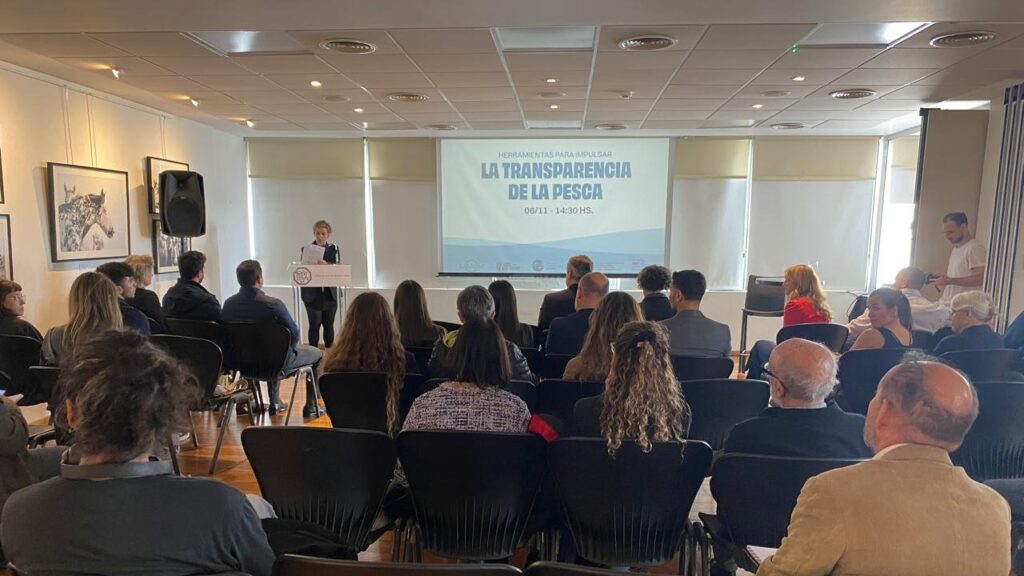
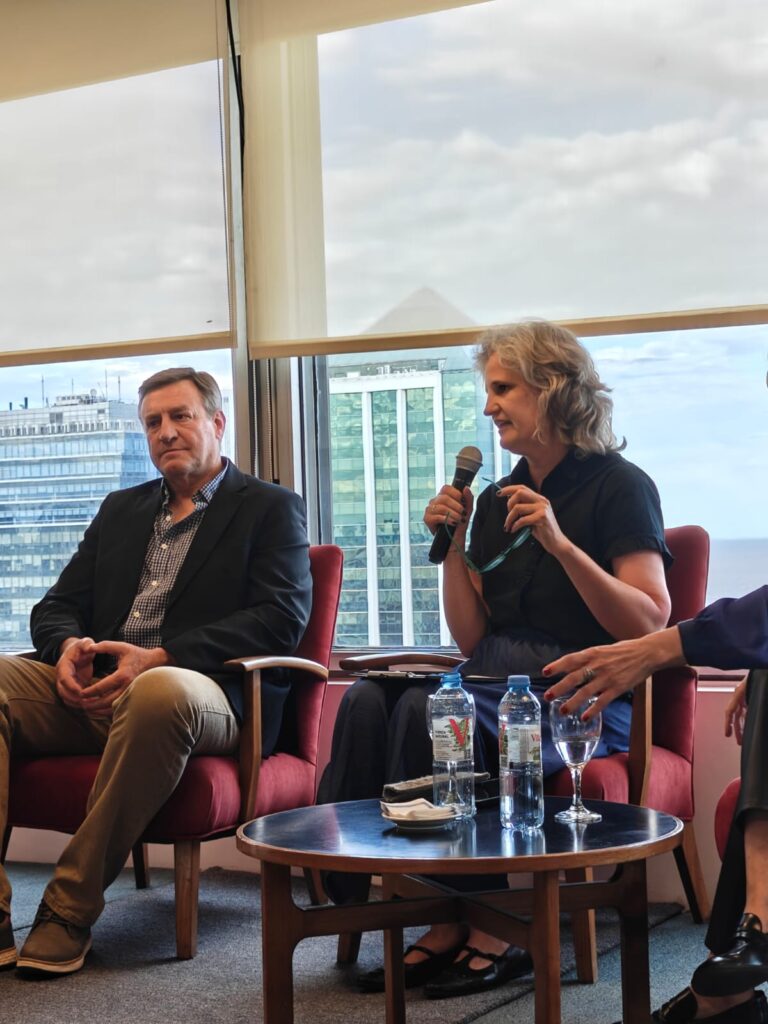
In this context, FiTI also participated in and co-organised the conference “Herramientas para impulsar la transparencia de la pesca”, which brought together a diverse range of stakeholders to discuss transparency in the fisheries sector. The event was organised by the Círculo de Políticas Ambientales (CPA), Sin Azul No Hay Verde, and FiTI, with the support of the Cámara de Industria y Comercio Argentino-Alemana (AHK) and its Corporate Integrity Center. The conference featured practical examples of how collective action and multi-stakeholder approaches can contribute to greater transparency and integrity, and provided a space for exchange and reflection on concrete experiences, challenges, and opportunities related to fisheries governance.
Nicolás Rovegno, FiTI Regional Coordinator for Latin America and the Caribbean, delivered an introductory presentation on FiTI to an audience of more than 50 stakeholders representing a wide range of organizations. During his presentation, he highlighted the opportunity for Argentina, as a major fisheries country in the Atlantic region, to consider a commitment to implementing FiTI as a means to strengthen transparency, participation and international recognition.
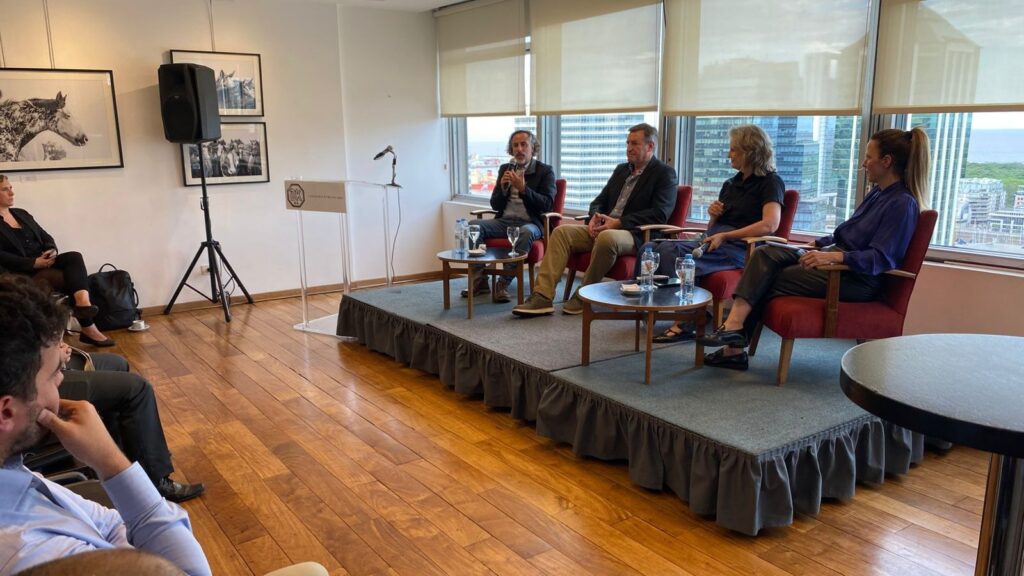
The event also included the participation of José Vélez Tacuri, National Secretary of FiTI Ecuador from the Ministerio de Agricultura, Ganadería y Pesca de Ecuador. During his presentation, he noted that the impact of FiTI in Ecuador has been positive, highlighting ongoing efforts to publish more fisheries-related information and improve public access to data. He also underscored the establishment of a national multi-stakeholder group bringing together representatives from different institutions to engage in regular dialogue.
According to the National Secretary, “this process has been aligned with Ecuador’s open government commitments and has also helped strengthen the country’s position to secure international support, including financing from mechanisms such as the WTO Fish Fund.” He later participated in the panel discussion, contributing reflections and comments based on Ecuador’s experience.
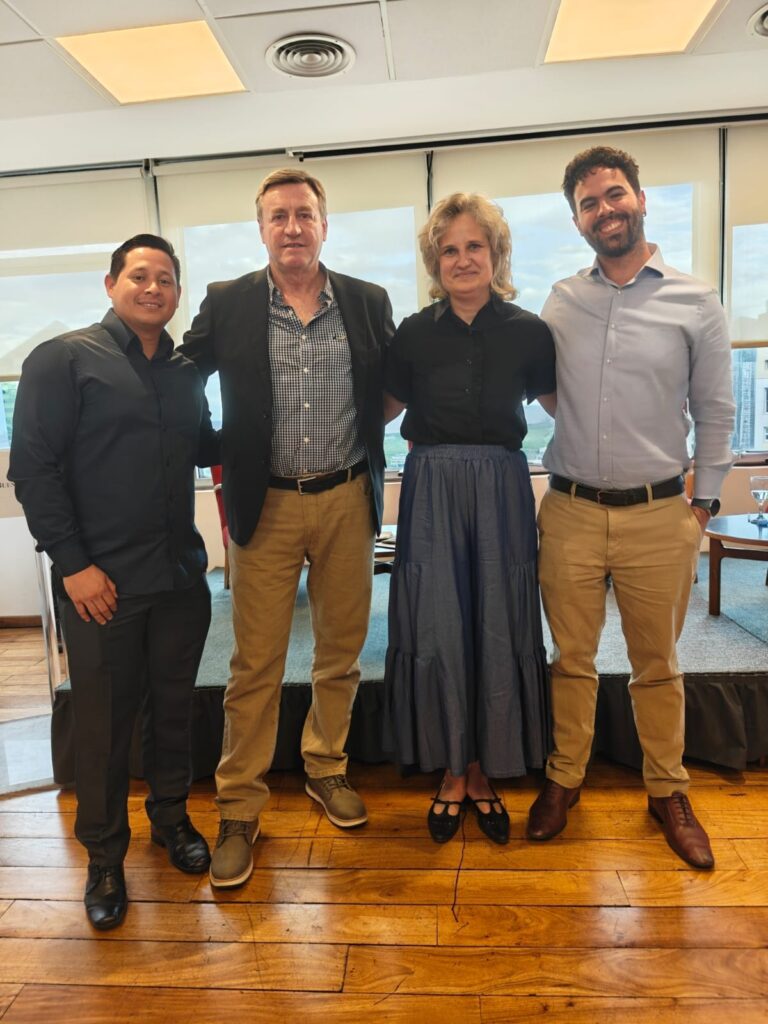
Voices from civil society, academia, and both large-scale and small-scale fisheries were heard through two panel discussions that underscored the importance of transparency in the sector. One of the panels was moderated by Dorothea Garff from the FiTI International Secretariat and included the participation of Néstor Roche, a member of the FiTI International Board and Board Member of the Unión Latinoamericana de Pescadores Artesanales (ULAPA).
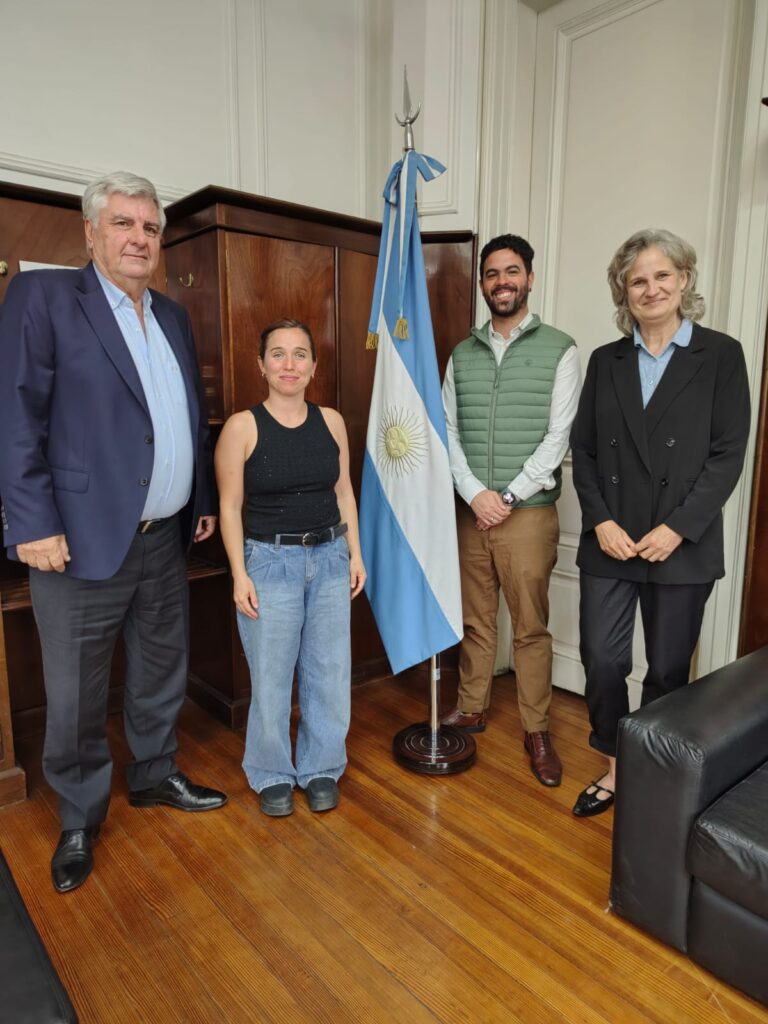
As part of the mission, the FiTI held a meeting with the Subsecretary of Aquatic and Fisheries Resources, Dr. Juan Antonio López Cazorla, to discuss opportunities for collaboration and acknowledge the work currently being carried out by Argentina in the fisheries sector. The exchange highlighted the importance of transparency for effective fisheries management and long-term sustainability. FiTI also presented the Fisheries Information System (FIS), a platform developed by the initiative to support the publication and public access to fisheries information. As a next step, it was agreed to explore a collaboration through a Memorandum of Understanding (MoU), which would be reviewed by the fishing authority.
Overall, the country mission was considered productive and constructive, highlighting the strong interest of Argentine stakeholders in advancing transparency in the fisheries sector. The discussions reflected a shared understanding of the value of transparency as a tool to strengthen governance, improve decision-making, and support the sustainable management of fisheries resources.