FiTI welcomes focus on fisheries transparency at OOC11 in Kenya, but urges tangible implementation progress
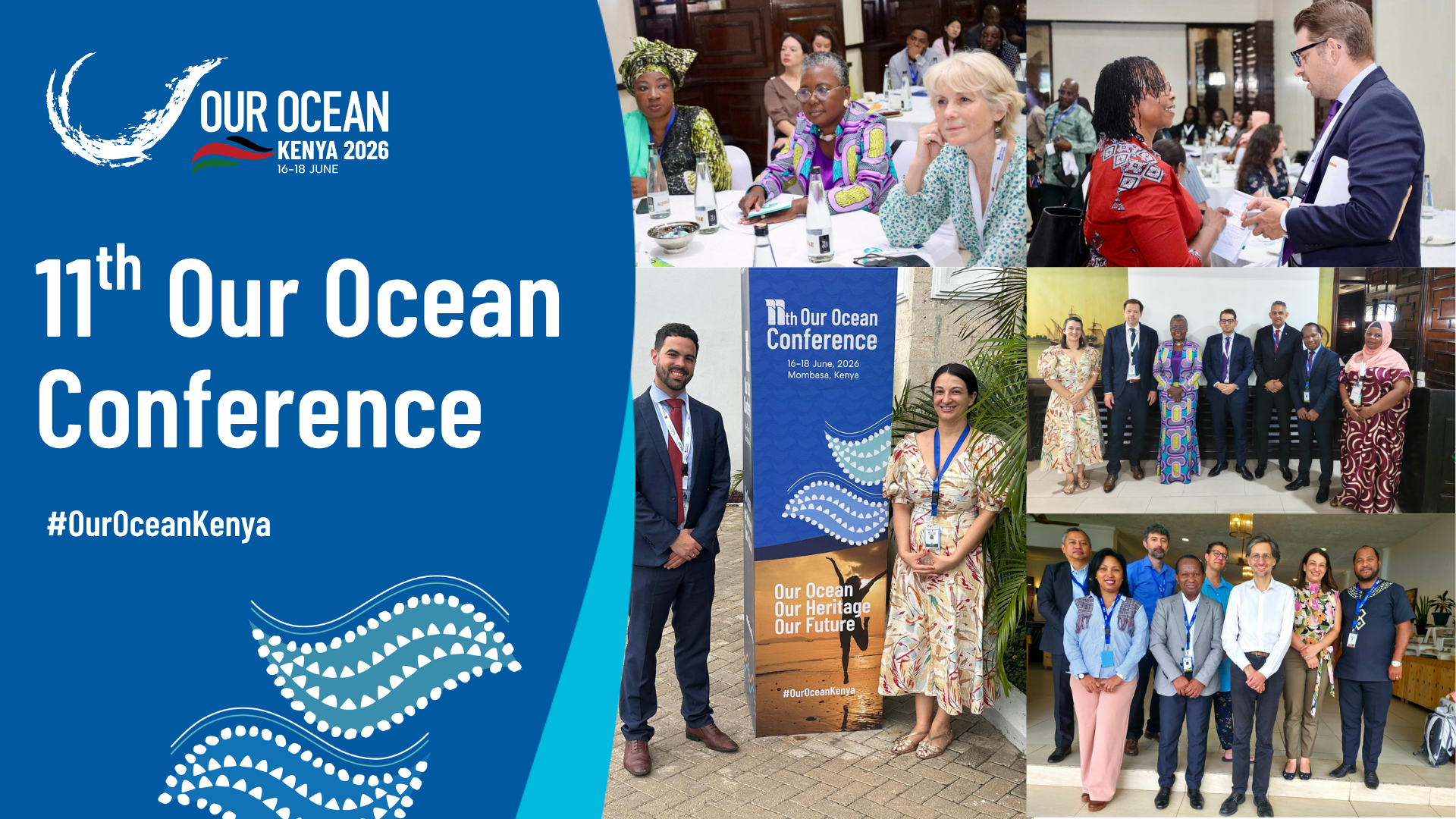
The 11th Our Ocean Conference (OOC11) in Mombasa saw a flood of new commitments for ocean conservation and sustainability under the banner “Our Ocean, Our Heritage, Our Future”. Several commitments were related to fisheries transparency, including through the ‘Mombasa Declaration’ to combat Illegal, Unreported and Unregulated Fishing. At the same time, the conference also showed a clear urgency to move from commitments and towards impact. In this context, the Fisheries Transparency Initiative (FiTI) is uniquely positioned to meet this moment.
While pledges to improve transparency are increasingly common, their value lies not in intent but in implementation, ensuring that data is disclosed, accessible, and usable by stakeholders. Without this, transparency remains aspirational rather than actionable. Through the FiTI Standard, the global default framework for transparency in national marine fisheries management, the FiTI ensures the operationalization of fisheries transparency by not only defining what information should be published online by national authorities, but also how it can be verified, and used more effectively to inform public debate.
Now in 14 countries, the implementation of the FiTI is supporting national authorities in systematically identifying gaps, inconsistencies and weaknesses in fisheries information systems. This is enabling them to prioritise reforms, strengthen data collection and management processes, and target investments towards areas where data-driven and evidence-based management can elevate the fisheries sector’s visibility. This stimulates market-based incentives and strengthens the effectiveness and public reputation of national fisheries management institutions.
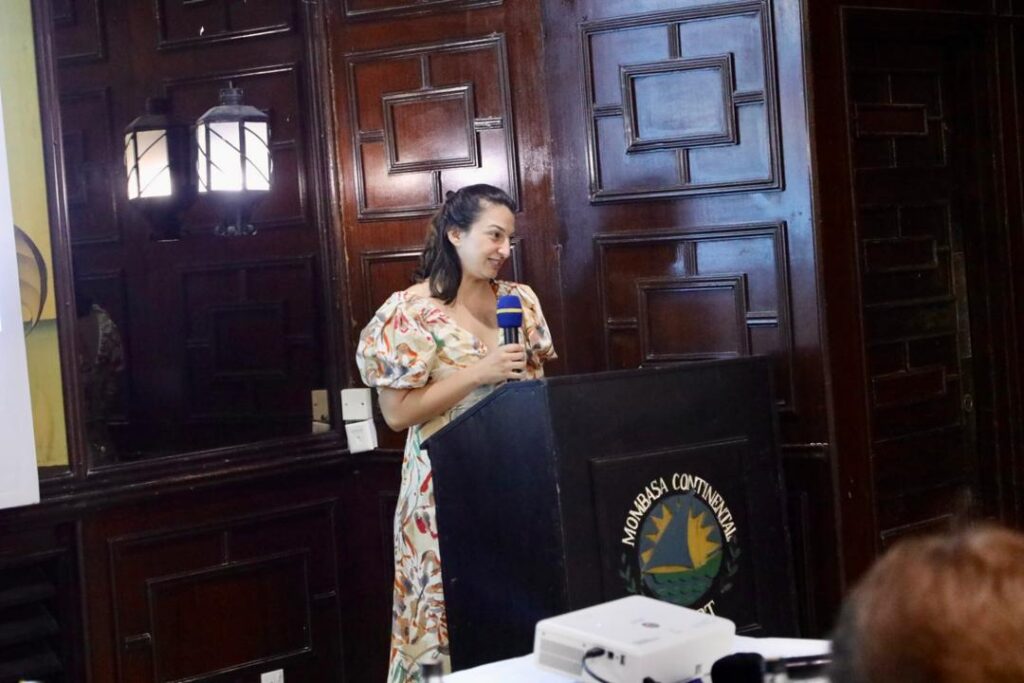
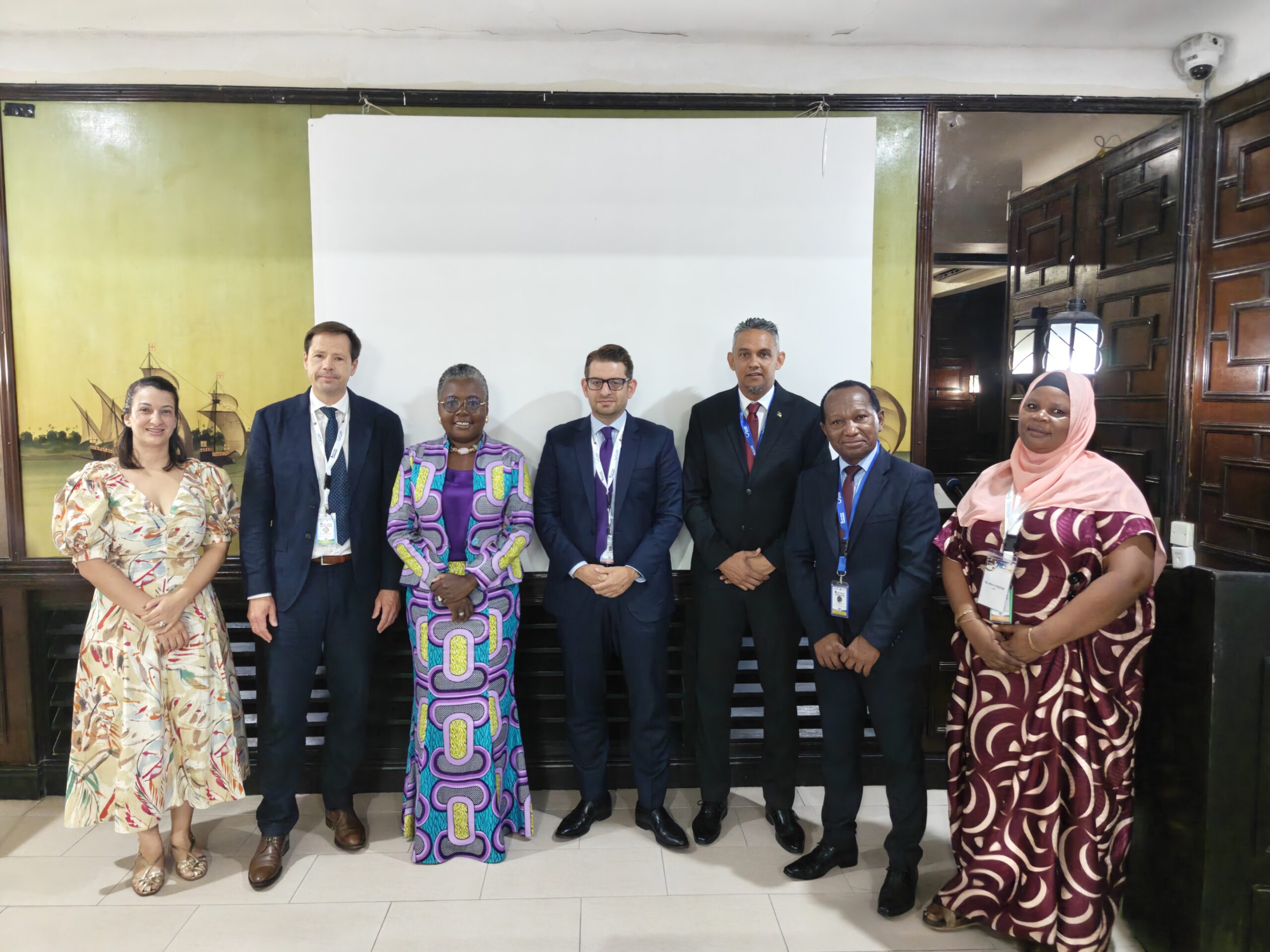
At the Mombasa conference, this approach was brought into focus at the side event ‘Towards a sustainable future for our shared ocean: The transformative force of data-driven partnerships for implementing the WTO Agreement on Fisheries Subsidies’. The event showcased concrete examples on how digital and cost-effective solutions can accelerate data-driven implementation strategies, such as for the WTO Agreement on Fisheries Subsidies (AFS), and highlighted practical examples of how multi-stakeholder partnerships are transforming evidence-based fisheries governance, contributing to sustainable blue economies. One particular highlight of this event was the launch of Ghana’s new Fisheries Information System (FIS) by Hon. Emelia Arthur, Minister for Fisheries and Aquaculture Development in Ghana, through which national authorities are now making fisheries data publicly accessible.
The high-level event was organised by the FiTI, the German Federal Ministry for Economic Cooperation and Development (BMZ), the World Trade Organisation Fisheries Funding Mechanism Trust Fund (WTO Fish Fund), the Ministry of Fisheries and Aquaculture of Ghana, the Ministry of Fisheries and Blue Economy of Madagascar, the World Bank Group, Blue Ventures, Fauna & Flora, and the Confédération Africaine des Organisations de Pêche Artisanale (CAOPA).
According to Dr Karine Young, FiTI’s Regional Manager for Africa: “The focus that has been given to fisheries transparency throughout the conference is an important signal to national authorities to further strengthen inclusive governance. At the same time, we need to ensure that we move from commitments to verifiable and stakeholder-driven implementation. Therefore, the FiTI encourages countries to continue championing more comprehensive, robust and implementation-focused transparency frameworks. While acknowledging that the implementation of a Standard is inherently more demanding than pledges to principles or political commitments, the added value of frameworks, such as the FiTI Standard, lies in its proven ability to move from commitments to implementation to tangible impact. In each of our FiTI countries, transparency is now providing the political and technical foundationfor effective management by supporting informed decision-making, strengthening stakeholder trust and coordination across institutions, and addressing emerging problems before they become irreversible.”
Emboldened by the meeting’s focus on advancing fisheries transparency and the widespread national and private support of the initiative, the FiTI is re-committed to transforming access to fisheries management information into impactful, engaged decision-making.