Mauritania’s 7th FiTI Report opens new chapter for fisheries transparency under FiTI Standard 2.0
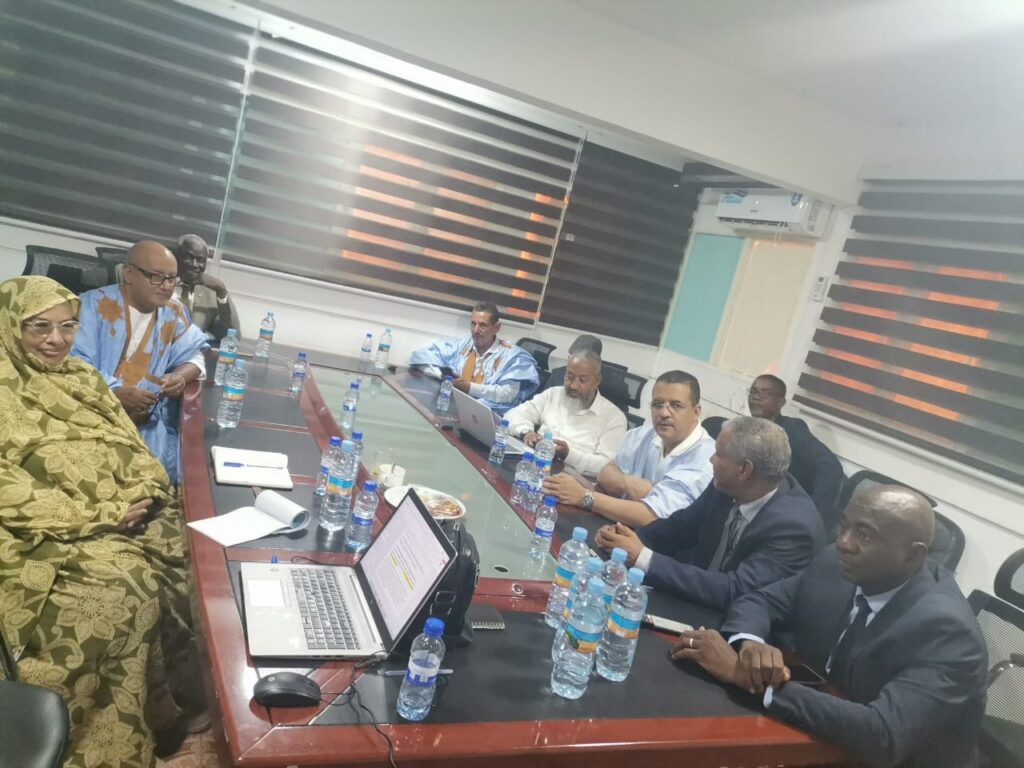
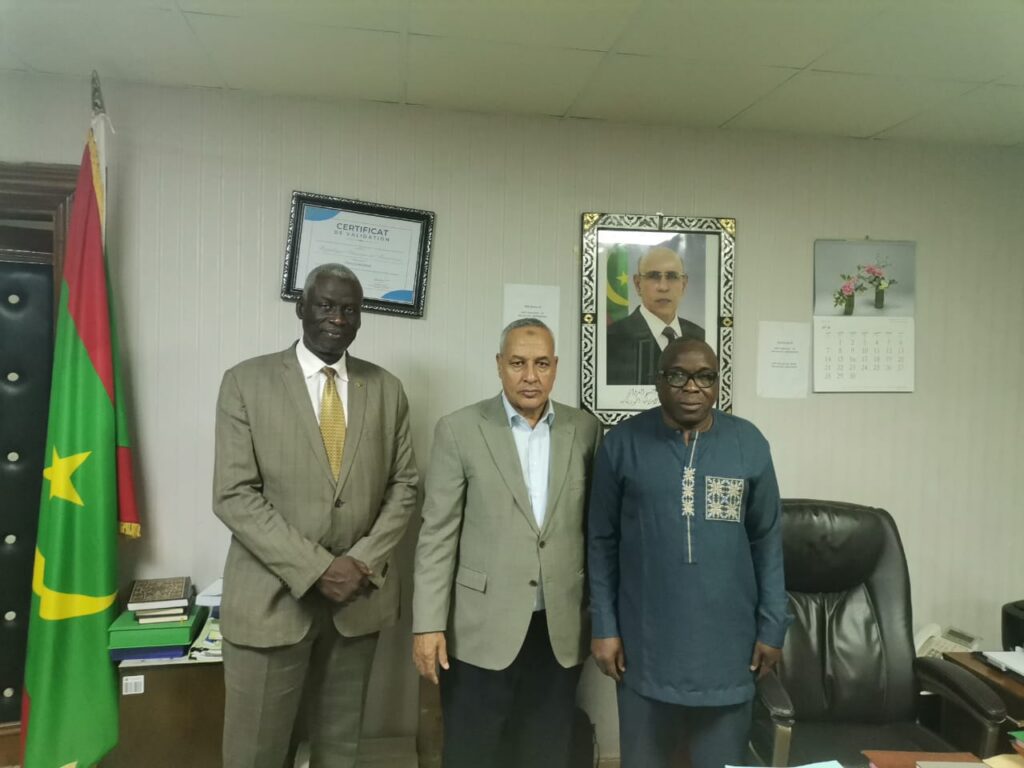
NOUAKCHOTT — The FiTI International Secretariat, represented by Mr Mansor Ndour, FiTI Regional Coordinator for Francophone Africa, conducted a mission to Mauritania to support the country’s continued efforts to strengthen fisheries transparency and advance the implementation of the FiTI Standard 2.0. The mission focused on preparing Mauritania’s seventh FiTI Report (calendar year 2025), continuing discussions on the Fisheries Information System (FIS), and supporting stakeholder engagement on fisheries transparency and governance.
Mauritania’s seventh FiTI Report will be the country’s first FiTI Report prepared following the adoption of the FiTI Standard 2.0. The new Standard introduces additional requirements compared with the previous reporting cycle, making this report an important milestone in strengthening the scope, accessibility and clarity of fisheries information disclosed through the FiTI process. The process also requires more intensive support for the National Multi-Stakeholder Group (MSG), as it addresses and progressively responds to these new requirements.
Unlike previous reporting cycles, this seventh report does not require the engagement of an external Report Compiler. Instead, the FiTI International Secretariat is leading the preparation of the report in close cooperation with the National MSG, providing more direct technical support during this first reporting cycle under the new Standard.
This approach is also consistent with the evolving role of FiTI Reports under Standard 2.0, which places greater emphasis on making fisheries information directly accessible online and on providing clear and accessible summaries. The International Secretariat’s involvement aims to help the National MSG navigate this transition and strengthen its capacity to progressively meet the requirements of the new Standard.
The National MSG will continue to review the findings, assess the information provided, identify gaps and formulate recommendations for progressive improvements. The seventh report will be co-published by the National MSG and the FiTI International Secretariat, further emphasising the collaborative nature of the FiTI and the shared ownership of the reporting process.
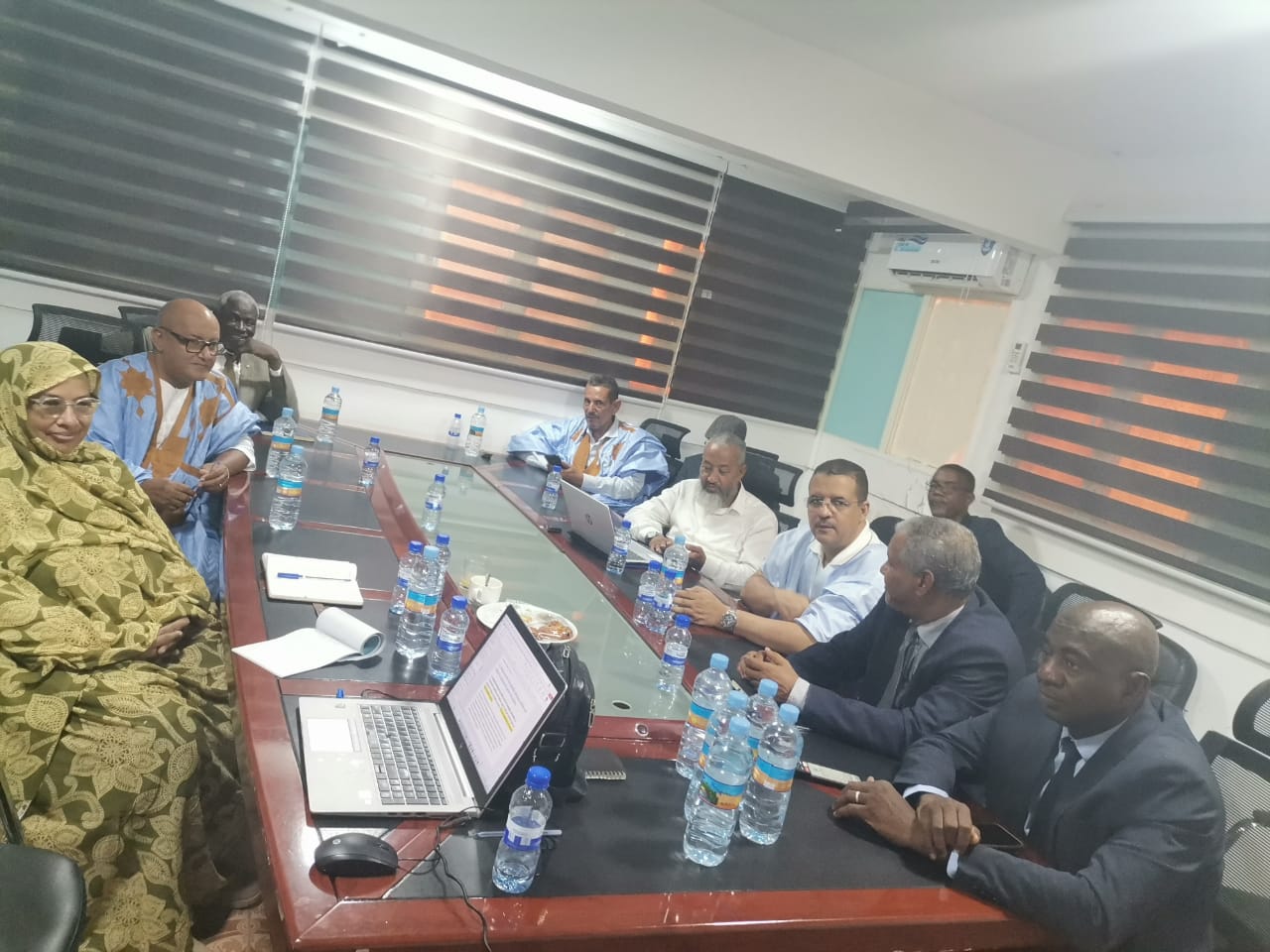
The reporting process was reviewed at the Ministry of Fisheries, Maritime Infrastructure and Ports (MPIMP), with particular attention paid to the new requirements introduced under the FiTI Standard 2.0. The National MSG also designated a dedicated team to prepare the summaries required under the FiTI Standard 2.0. These summaries will help make key fisheries disclosures easier to access and understand for a wider range of stakeholders.
Mr Ndour continued discussions on the adoption of the Fisheries Information System (FIS), building on previous exchanges with Mauritanian FiTI stakeholders. The FIS is a free and structured tool designed to help FiTI Implementing Countries centralize and improve access to fisheries information in support of inclusive and evidence-based decision-making.
Mr Ndour also met with the webmaster of the FiTI National MSG website to explore ways of improving its presentation, organization and alignment with the requirements of Standard 2.0. Particular attention was given to mechanisms that could enable the national team to update the website more autonomously, facilitating more regular and efficient publication of fisheries information.
The mission also provided an opportunity to engage with key fisheries stakeholders and government institutions in Nouakchott. These exchanges helped to identify remaining information gaps and explored ways to strengthen the publication and accessibility of information required under Standard 2.0. This was particularly important as some of the new disclosure requirements require contributions from government institutions that had not been involved in previous FiTI reporting cycles, highlighting the need to broaden institutional engagement in the reporting process.
As the nation prepares its first FiTI Report under Standard 2.0, strengthening information systems, preparing accessible summaries, improving the national website, and maintaining engagement among government, business and civil society will be essential to ensuring that fisheries transparency translates into information that stakeholders can understand and use.
This mission reinforces the FiTI’s continued support in helping Mauritania advance transparent, inclusive and sustainable fisheries governance, while helping lay the foundations for the effective implementation of the FiTI Standard 2.0.